brooklynwx99
-
Posts
6,235 -
Joined
-
Last visited
Content Type
Profiles
Blogs
Forums
American Weather
Media Demo
Store
Gallery
Everything posted by brooklynwx99
-
2026-2027 Record-breaking El Nino
brooklynwx99 replied to Stormchaserchuck1's topic in Weather Forecasting and Discussion
TONI is just regular ONI (traditional), no idea why he calls it that lmao -
2026-2027 Record-breaking El Nino
brooklynwx99 replied to Stormchaserchuck1's topic in Weather Forecasting and Discussion
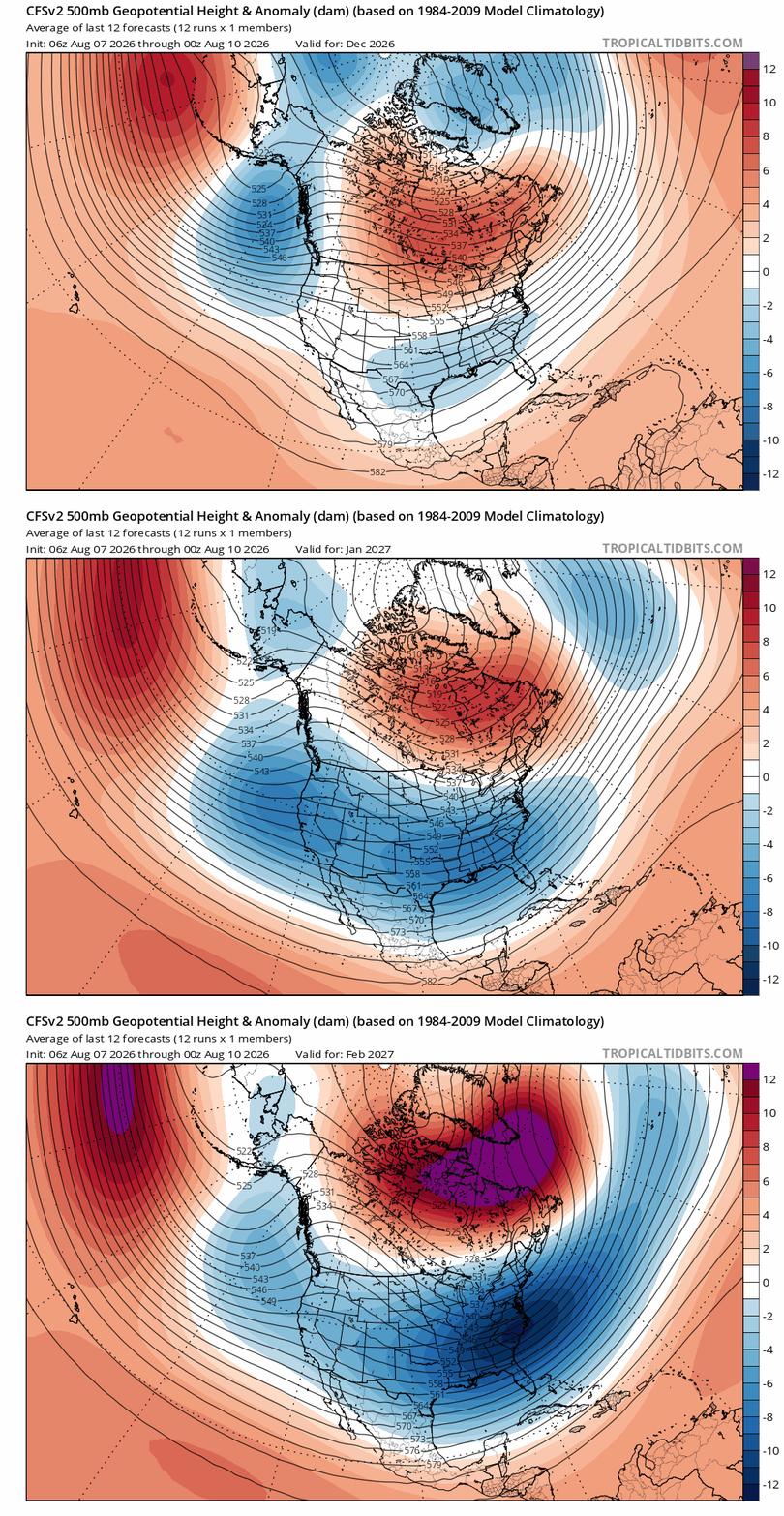
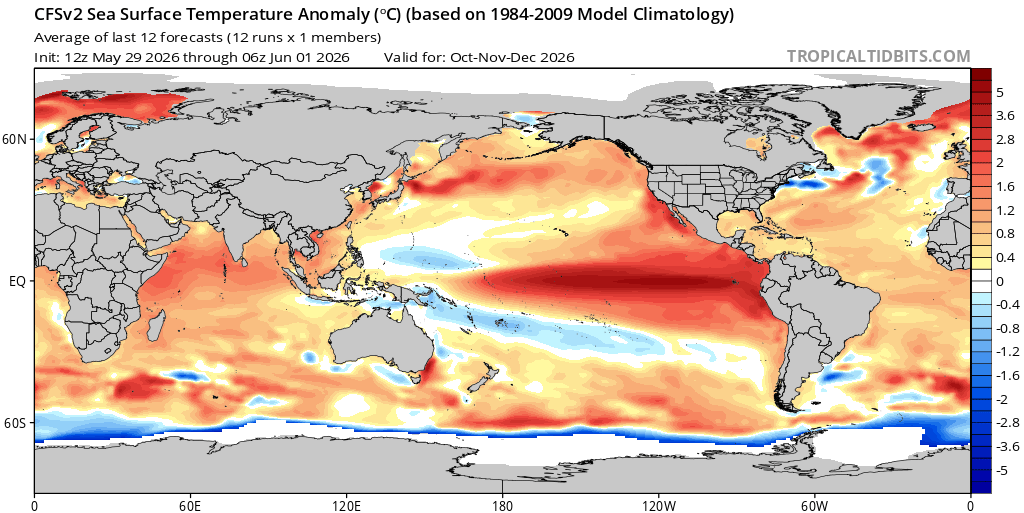
so the CFS basically shoves the eastern Canadian ridge into the Davis Strait, lol it's an unprecedented super Nino but I'll believe that when I see it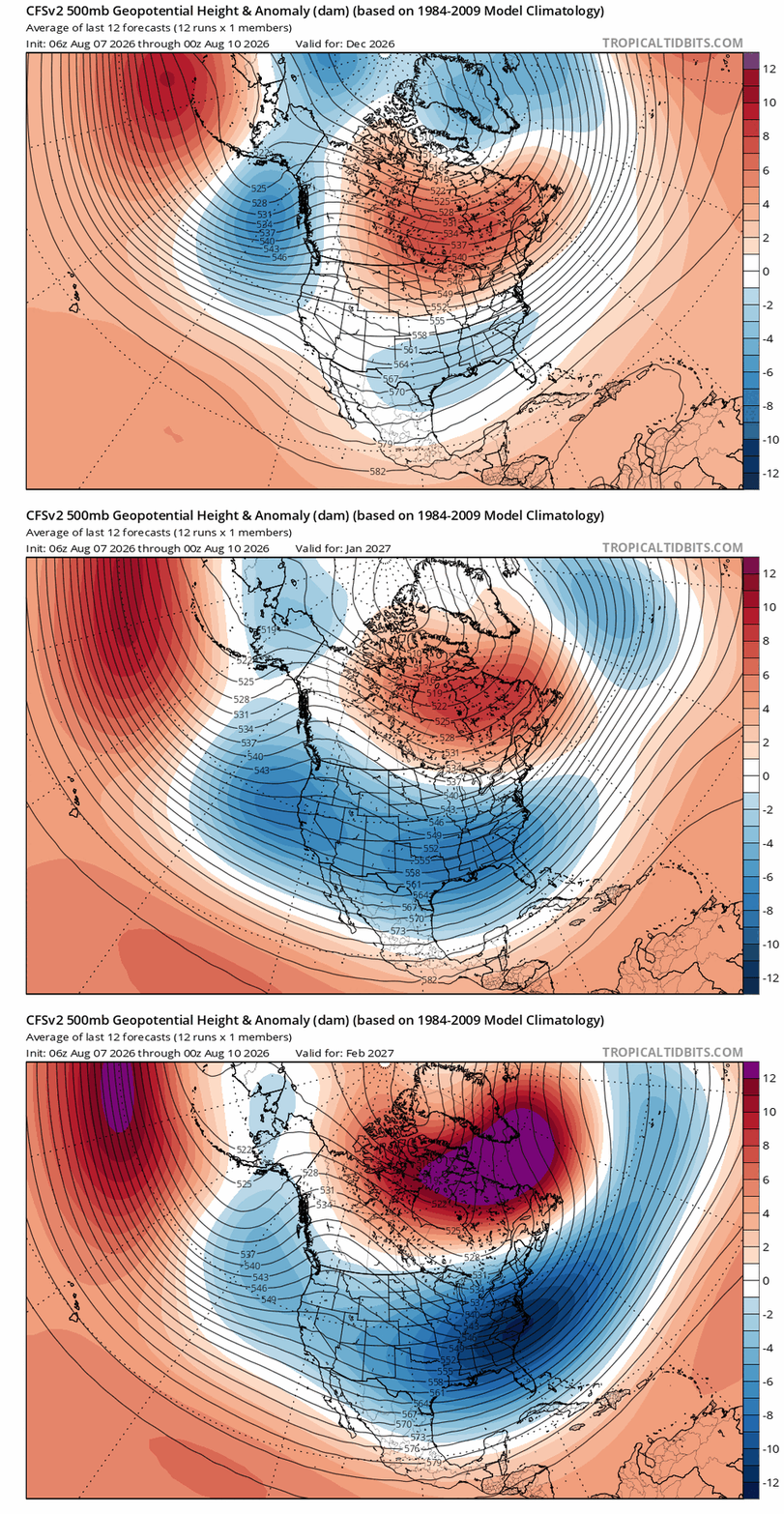
-
2026-2027 Record-breaking El Nino
brooklynwx99 replied to Stormchaserchuck1's topic in Weather Forecasting and Discussion
my thinking as of now is that the El Nino will take a foothold on the pattern as we head into autumn, but we will see. as you know, coupling is always pretty weak in the summer -
2026-2027 Record-breaking El Nino
brooklynwx99 replied to Stormchaserchuck1's topic in Weather Forecasting and Discussion
yeah, leaning on the 2015-16 or 1982-83 outcomes right now -
my hunch is that there won't be much in terms of number of events but the boom potential always goes up in these years. HECS and nothing else is a distinct possibility think 1982-83 and 2015-16 (which are both good analogs)
-
2026-2027 Record-breaking El Nino
brooklynwx99 replied to Stormchaserchuck1's topic in Weather Forecasting and Discussion
1982-83 and 2015-16 are probably my favorite analogs as of now -
2026-2027 Record-breaking El Nino
brooklynwx99 replied to Stormchaserchuck1's topic in Weather Forecasting and Discussion
nah i mean we're likely looking at a warm winter for most anyway -
2026-2027 Record-breaking El Nino
brooklynwx99 replied to Stormchaserchuck1's topic in Weather Forecasting and Discussion
waiting until the spring barrier passes to make an ENSO forecast is pretty standard. I said a couple weeks ago that we are probably getting a super event and that a strong event was likely in early April. not sure what the issue is there -
2026-2027 Record-breaking El Nino
brooklynwx99 replied to Stormchaserchuck1's topic in Weather Forecasting and Discussion
also, let's be real, the only reason why this thread gets 95% of the traffic it does is because of the impact on the following winter, which carries the largest correlation to ENSO, anyway. i doubt anybody cares about the SW monsoon (aside from Raindance) or eastern Pacific algal blooms -
2026-2027 Record-breaking El Nino
brooklynwx99 replied to Stormchaserchuck1's topic in Weather Forecasting and Discussion
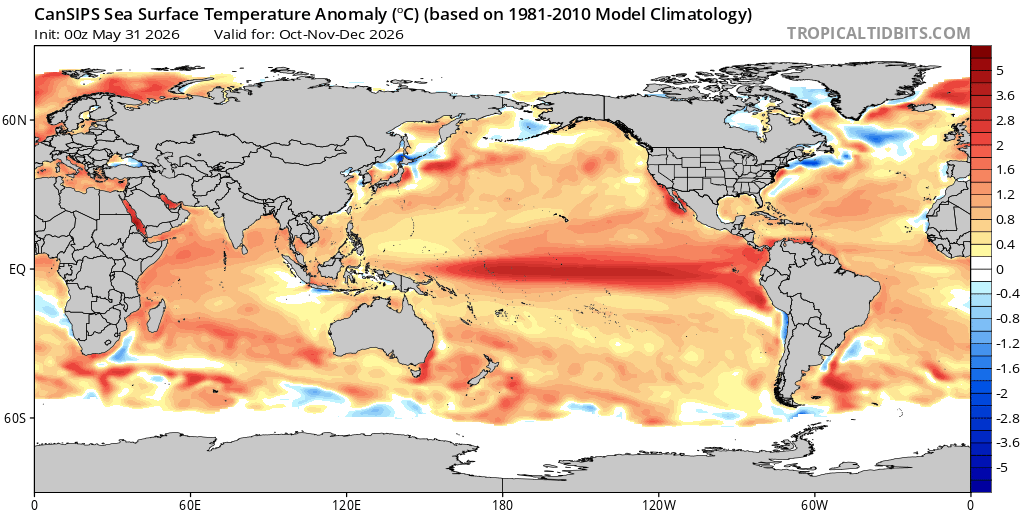
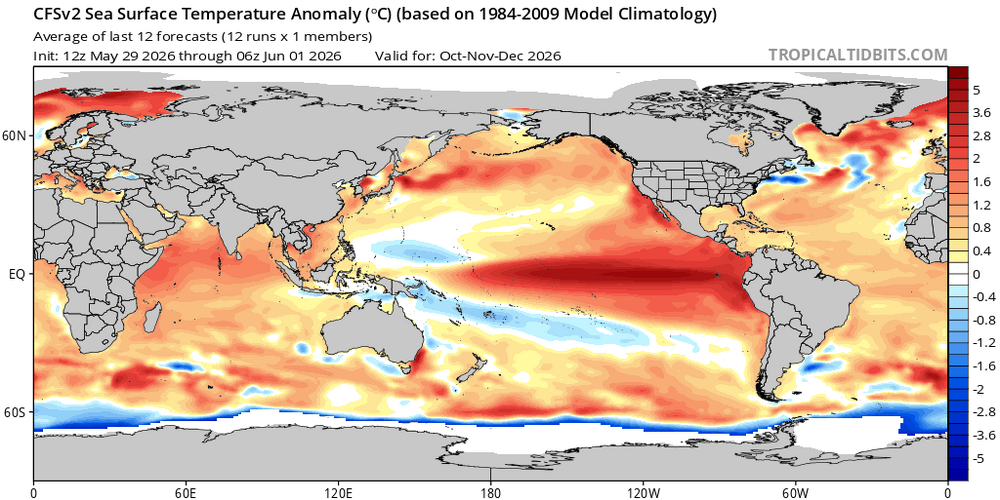
these events always begin very EP, that's nothing new. not much support on a persistent EP event... we should see things move basin-wide by the time winter rolls around. looks pretty 2015-16 esque in that regard, not 1997-98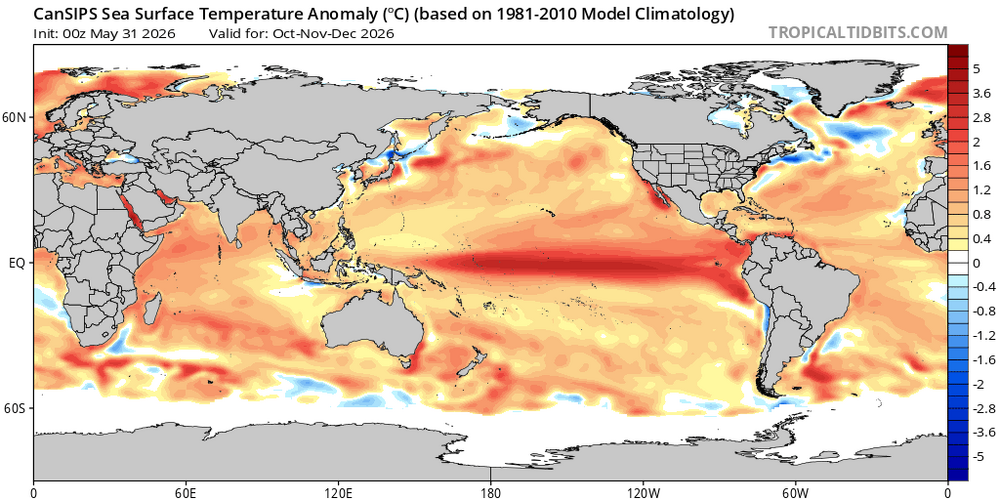
-
2026-2027 Record-breaking El Nino
brooklynwx99 replied to Stormchaserchuck1's topic in Weather Forecasting and Discussion
there was also a major block that was poorly forecasted in February... one of the worst pattern busts I've ever seen. if that occurred, things would have turned out a whole lot differently that month -
2026-2027 Record-breaking El Nino
brooklynwx99 replied to Stormchaserchuck1's topic in Weather Forecasting and Discussion
just messing. i agree that we're probably getting a super Nino this year -
2026-2027 Record-breaking El Nino
brooklynwx99 replied to Stormchaserchuck1's topic in Weather Forecasting and Discussion
mario ramirez super nino -
2026-2027 Record-breaking El Nino
brooklynwx99 replied to Stormchaserchuck1's topic in Weather Forecasting and Discussion
if we go the super route, I actually like 1982-83 quite a bit -
2026-2027 Record-breaking El Nino
brooklynwx99 replied to Stormchaserchuck1's topic in Weather Forecasting and Discussion
for the record, this should be a strong Nino per ONI and even RONI, but taking those +2.5C euro forecasts in early April to heart is silly. wait a couple of months and see if it sticks. the euro has overdone many a Nino in the past -
2026-2027 Record-breaking El Nino
brooklynwx99 replied to Stormchaserchuck1's topic in Weather Forecasting and Discussion
gotta pass the spring barrier. this is like a 10 day EPS forecast but for ENSO at this point in the year -
2026-2027 Record-breaking El Nino
brooklynwx99 replied to Stormchaserchuck1's topic in Weather Forecasting and Discussion
hey, give me a loaded STJ and temps that aren't an abject torch and I'd like to see what happens now that we're in a paradigm of blockier winters. 2023-24 was cursed and I think people are scared about an outcome like that. I find it unlikely, there are much better analogs -
2026-2027 Record-breaking El Nino
brooklynwx99 replied to Stormchaserchuck1's topic in Weather Forecasting and Discussion
paul roundy super Nino part 2? -
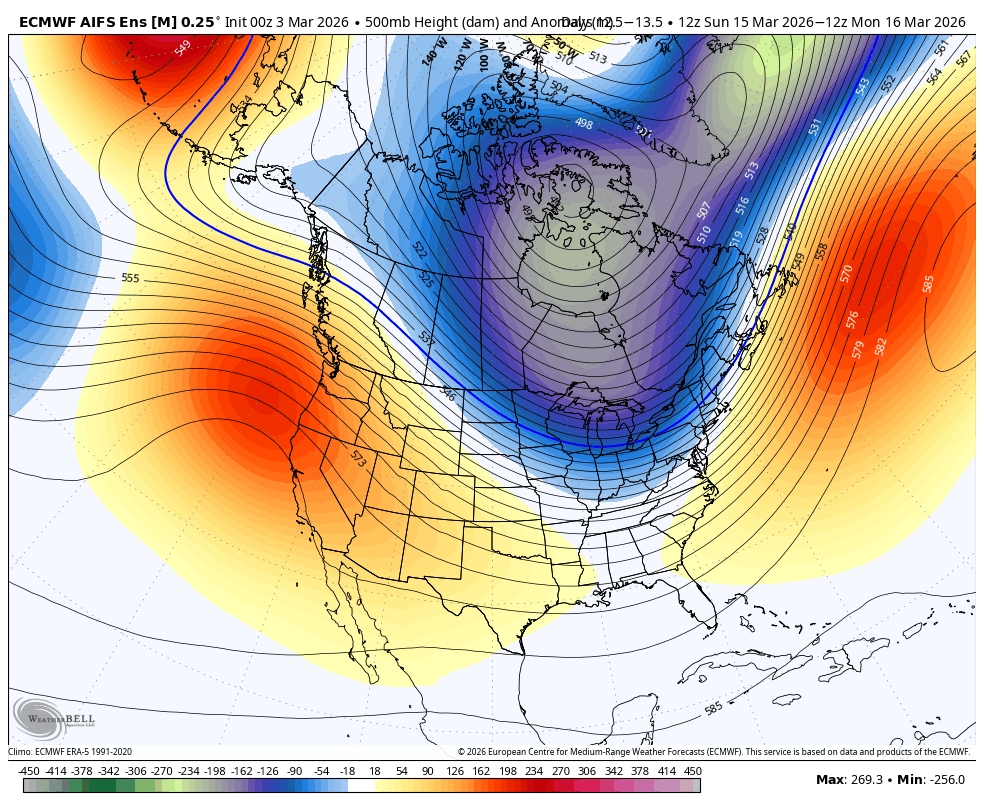
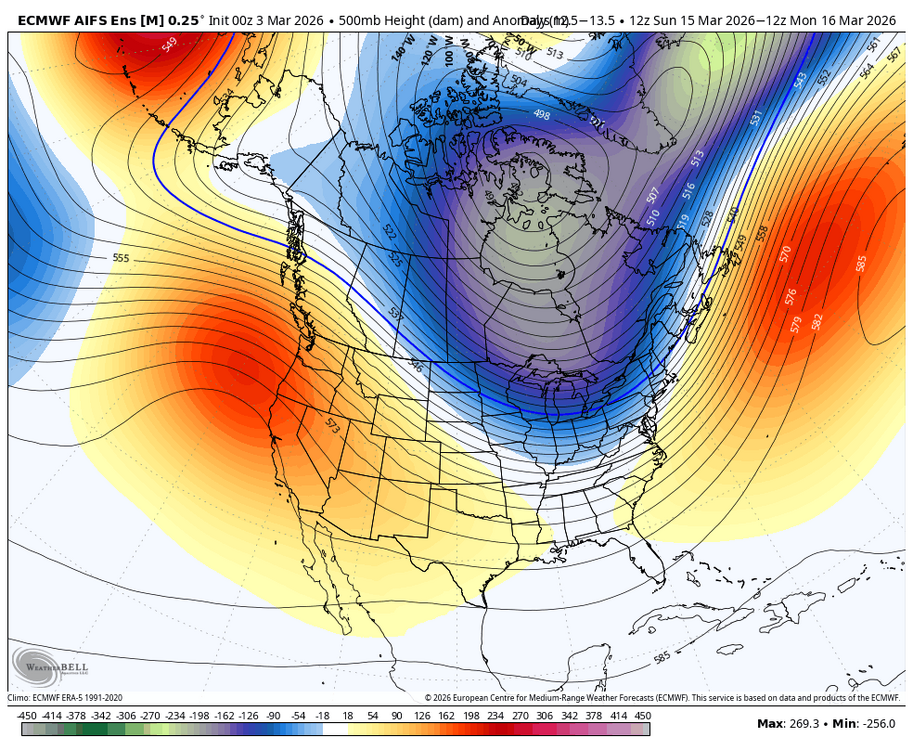
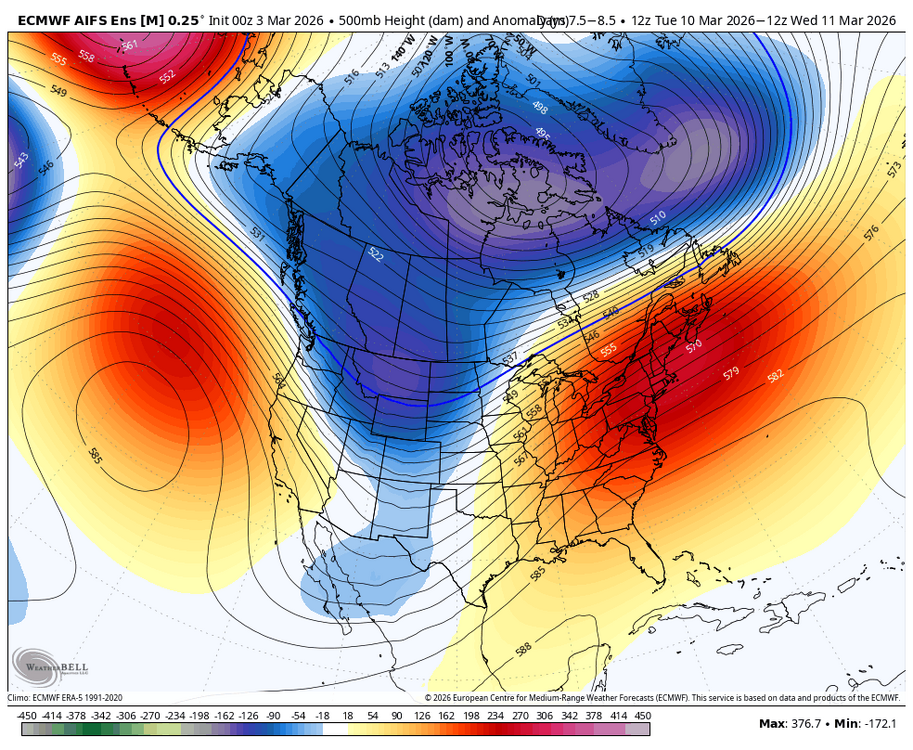
every model has the signal mid-month, worth watching for sure with the ridge rising out west. airmass is better than you'd think with the PV nearby
-
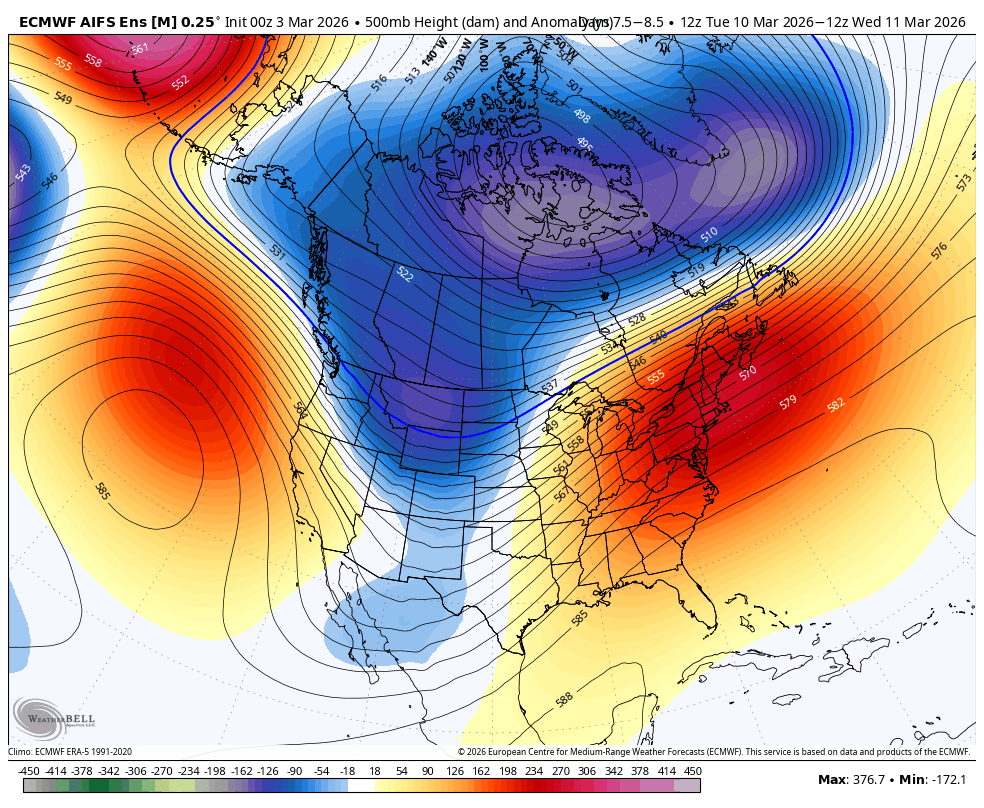
classic spring swing here
-
the snow blitzes this winter are just as much a part of CC as the warm bursts IMO
-
incredible storm, about 13.5" here
-
9" and some of the heaviest snow i have ever seen
-
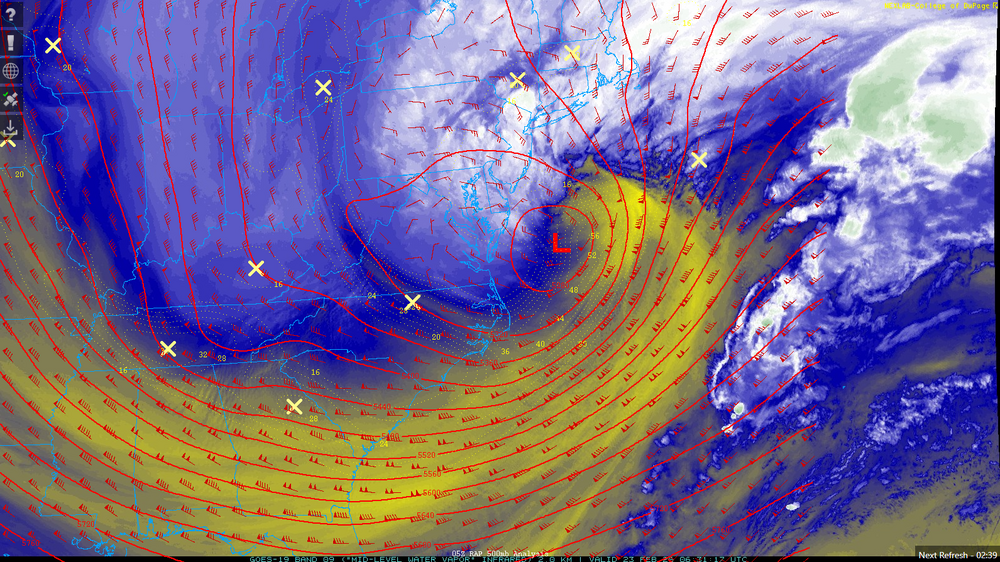
hang it in the Lourve. absolutely sick
-
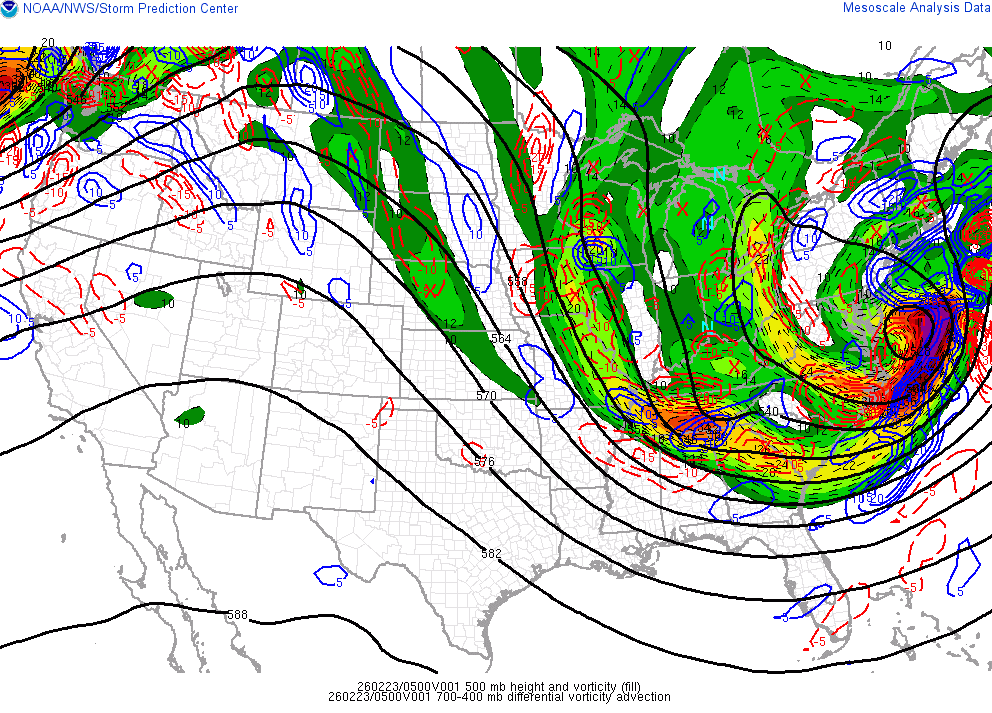
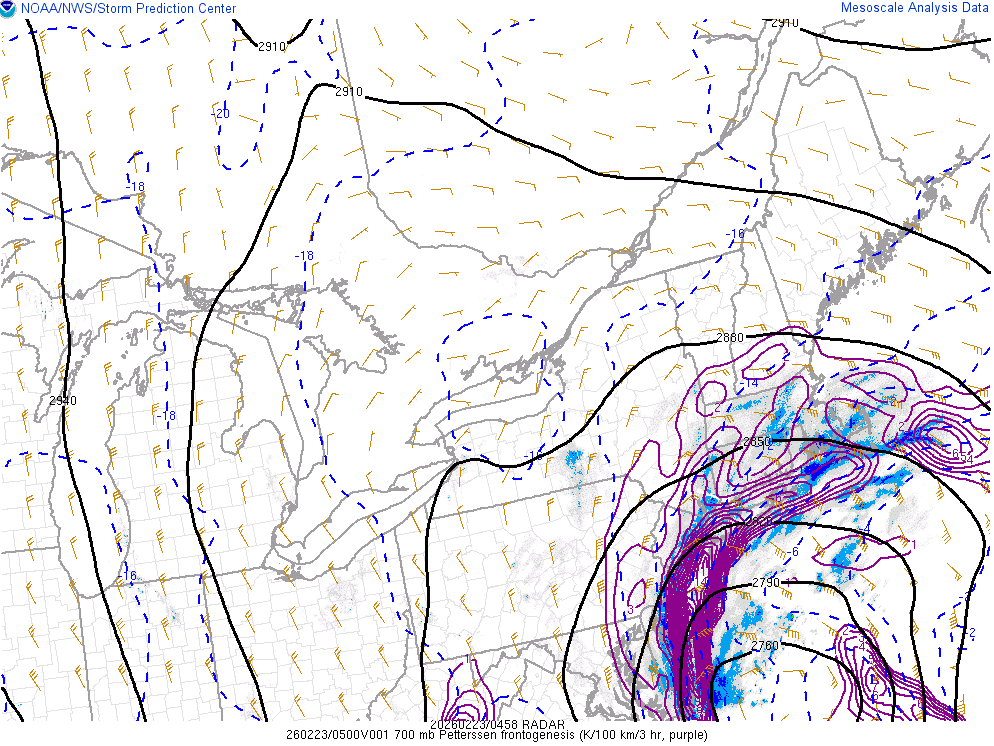
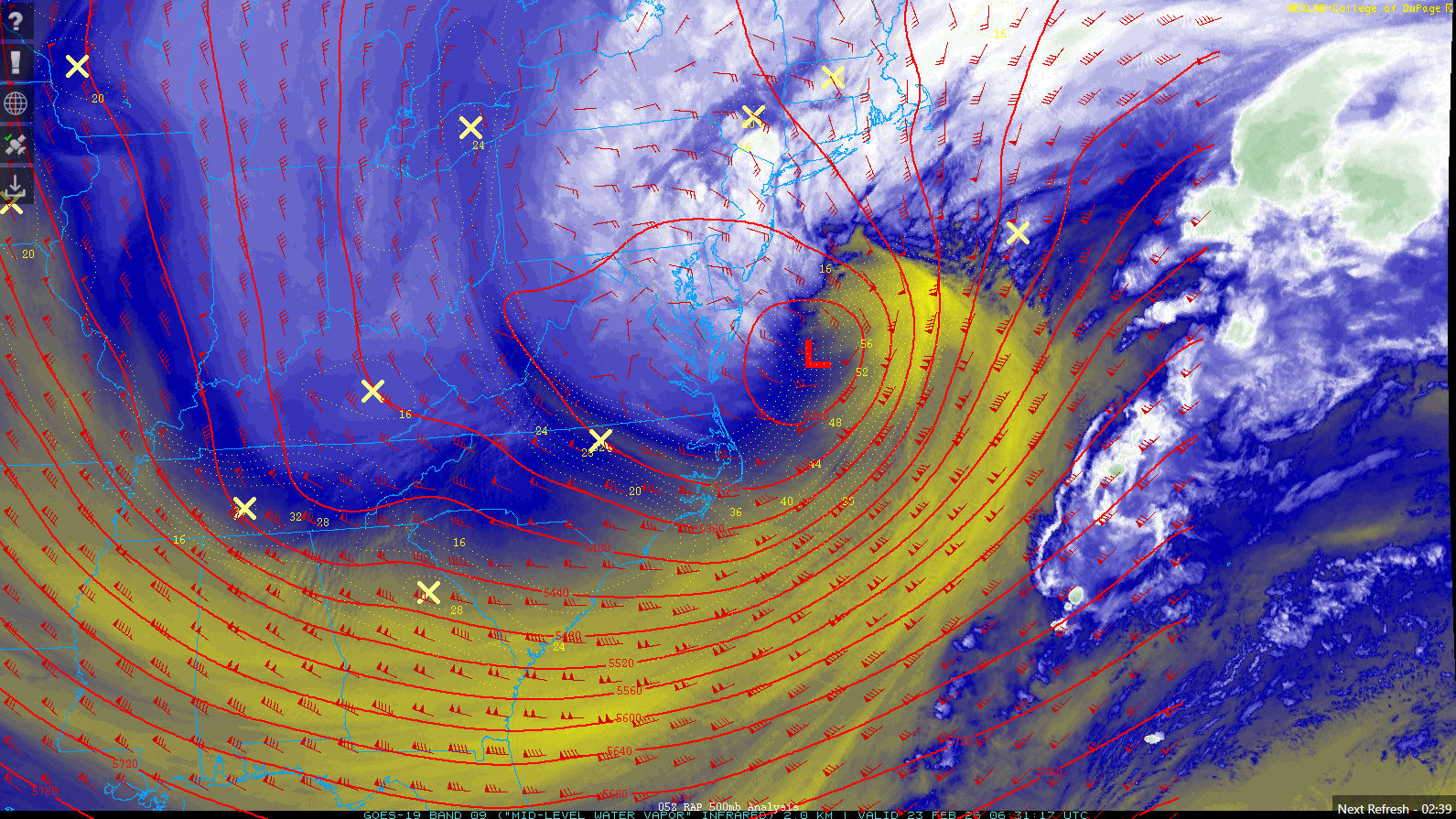
really incredible stuff. the low is just getting started