Jns2183
-
Posts
5,869 -
Joined
-
Last visited
Content Type
Profiles
Blogs
Forums
American Weather
Media Demo
Store
Gallery
Everything posted by Jns2183
-
Central PA Summer 2026 Discussion/Obs Thread
Jns2183 replied to Voyager's topic in Upstate New York/Pennsylvania
you're going to find with you heptic sensors that it has about five different rainfall capacities and the air percentage is sort of different for all of them it also matters how exposed to wind it is and eventually also the temperature aspect. the 17% is pretty much my air percentage over the last 90 days. I've been comparing the three gauges since April. if you really want to get into it the manual one has issues with undercatch and the tipping bucket when it rains hard as issues this rain will miss it when the buckets tipped this technically if you want to get exact there are percentages that they usually add depending upon the rain gauge. to find out those percentages and try to find rain gauges all different types of what the air rates were I could do not they probably spent worldwide millions upon millions of dollars and I have least have seen probably 84 scientific studies just based upon or engage measurements and it's to this day a very active field and a nightmare for everybody Sent from my SM-S731U using Tapatalk -
Central PA Summer 2026 Discussion/Obs Thread
Jns2183 replied to Voyager's topic in Upstate New York/Pennsylvania
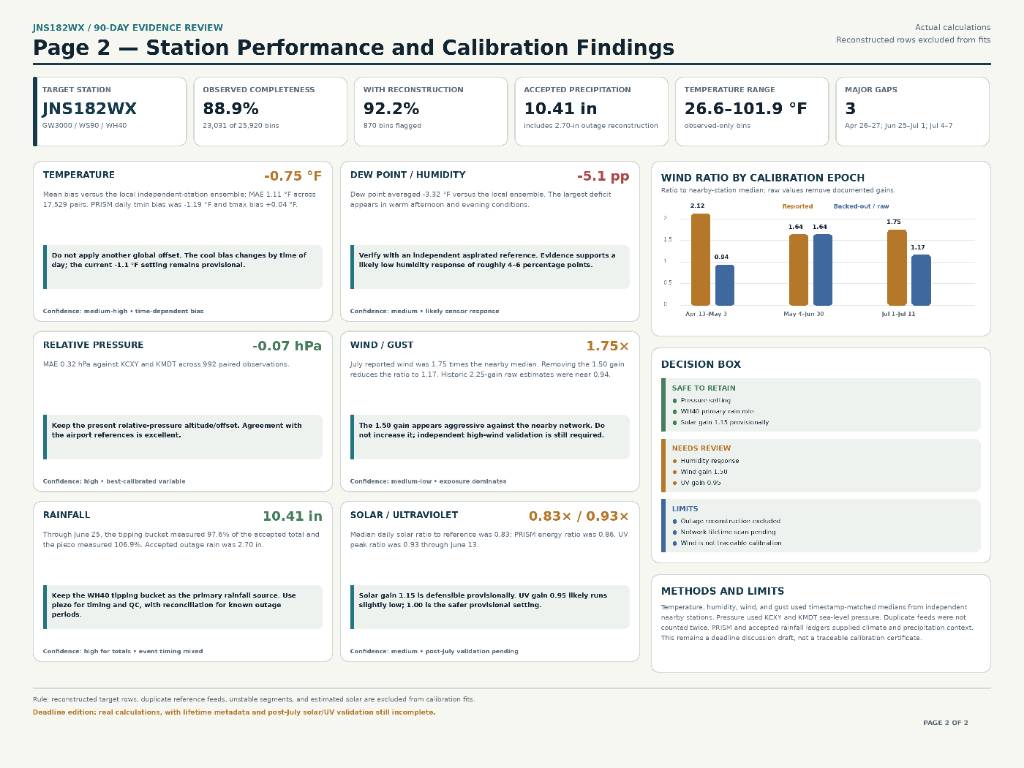
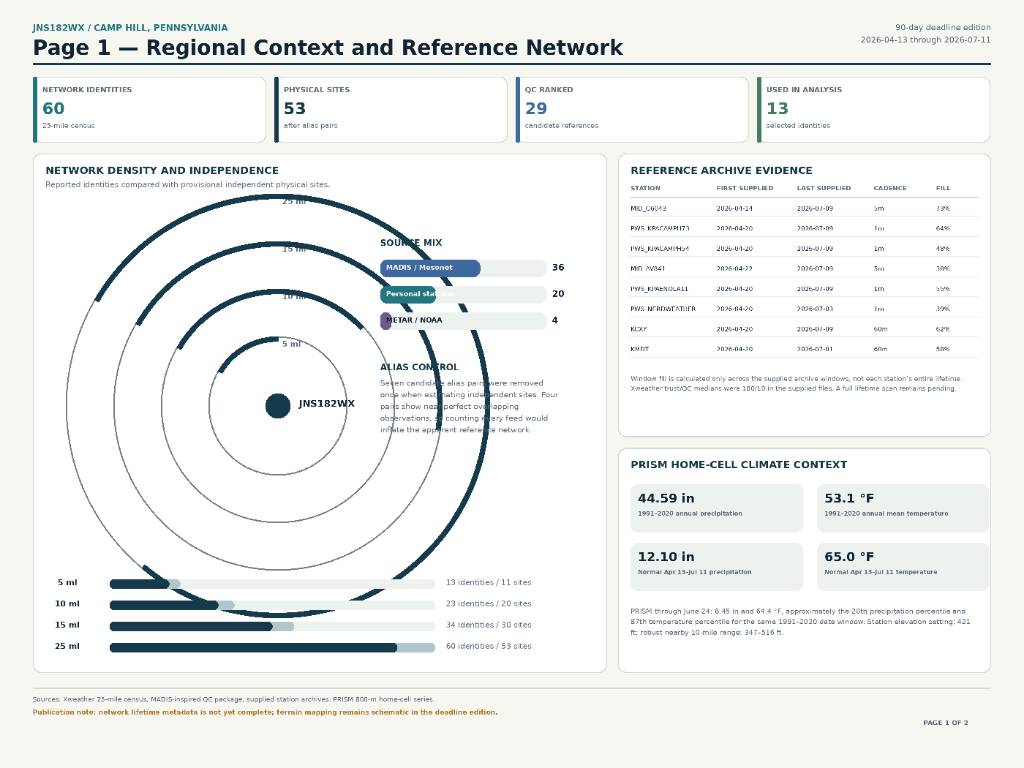
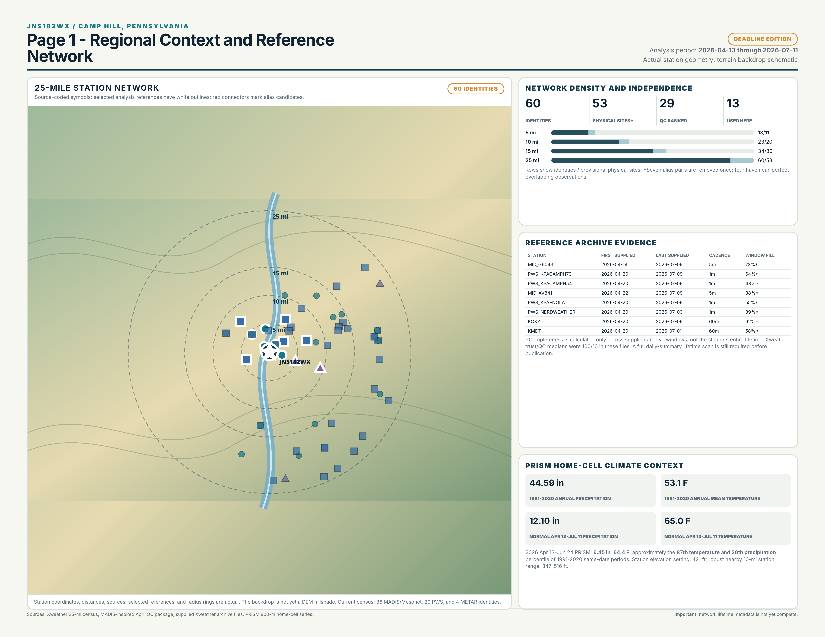
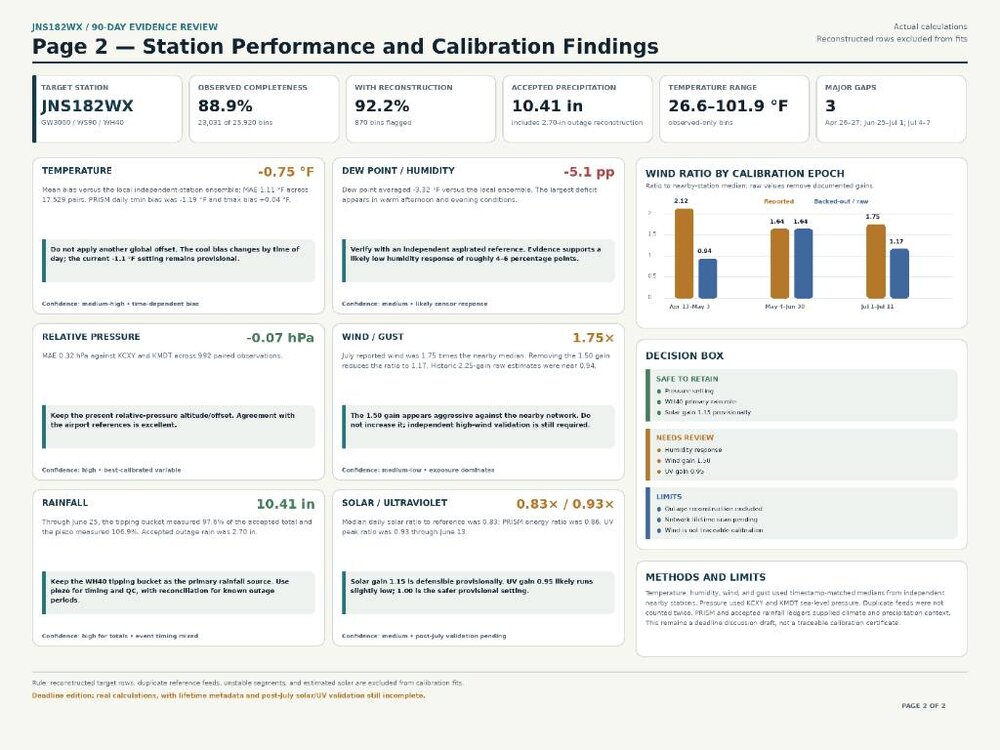
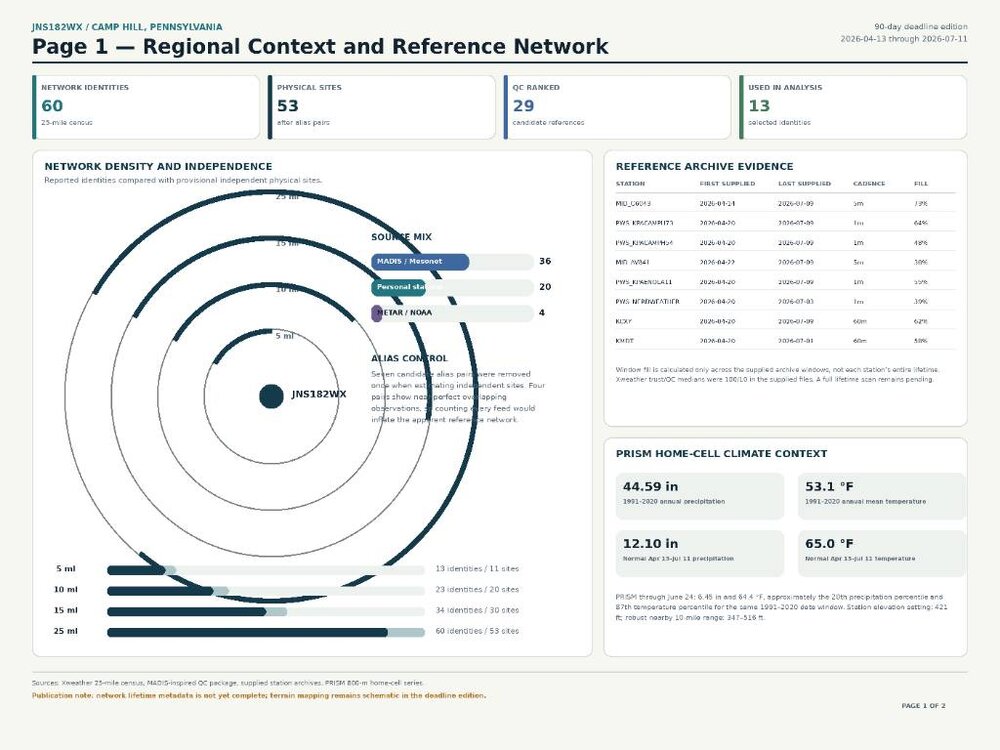
Voyager, I don't know what networks your station is connected to but if you DM me your station info and at least 90 days of preferably sub hourly (most stations are network updated at 5, 15 or 30 minutes intervals) I can do a simple QC check based on actual published methods. For a basic 90-day quality check, I compare each weather station with about 6 to 10 nearby personal weather stations, ideally within roughly 5 miles, plus a reliable airport or professional station if one is close enough. For every hour, I calculate the median of the surrounding stations and compare the station being tested against that local reference. The median is useful because one bad or poorly placed station cannot easily distort the result. I then look at the average bias, which shows whether the station usually reads too high or too low, the mean absolute error, which shows the typical size of the difference, and the correlation, which shows whether it follows weather changes correctly. I also check for missing data, stuck readings, sudden jumps, unusual day-versus-night behavior, and repeated differences during rain, strong sun, or calm nights. The result gives me a practical estimate of whether the station is trustworthy, slightly biased but correctable, or unreliable for a particular measurement. that goes for anyone else as well. I have API setup with xweather, keystone Mesonet, NWS MADIS feed. I ran right to the pipeline knife and messing around with them this is what comes out at the end see attached Sent from my SM-S731U using Tapatalk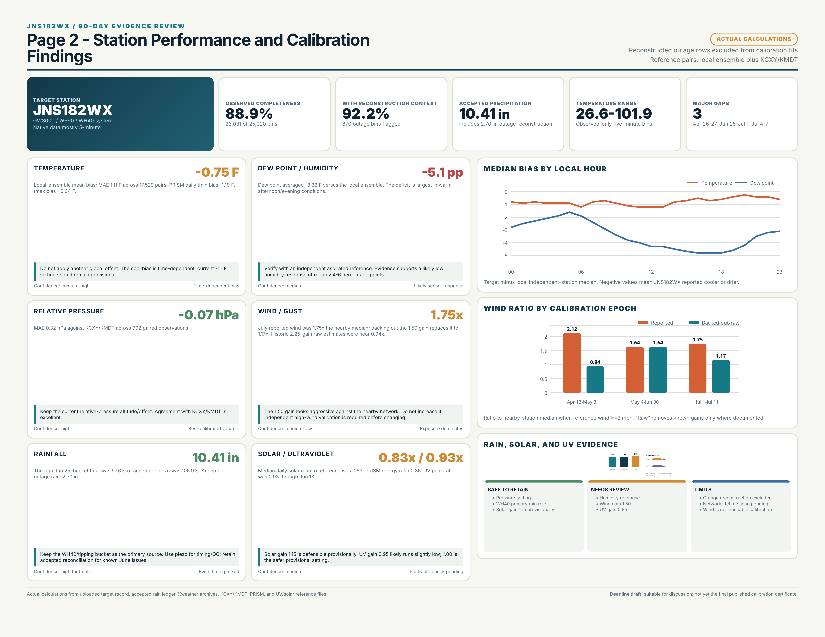
-
Central PA Summer 2026 Discussion/Obs Thread
Jns2183 replied to Voyager's topic in Upstate New York/Pennsylvania
haha, tipping bucket. if you want I can get you the exact error measurements of heptic vs tipping vs manual gauge. heptic has about a 17% error vs tipping bucket 3-4% Sent from my SM-S731U using Tapatalk -
Central PA Summer 2026 Discussion/Obs Thread
Jns2183 replied to Voyager's topic in Upstate New York/Pennsylvania
it feels like a steam bath and a sun breaks out oh my God Sent from my SM-S731U using Tapatalk -
Central PA Summer 2026 Discussion/Obs Thread
Jns2183 replied to Voyager's topic in Upstate New York/Pennsylvania
these storms are tapping something. It usually doesn't thunder like this all morning Sent from my SM-S731U using Tapatalk -
Central PA Summer 2026 Discussion/Obs Thread
Jns2183 replied to Voyager's topic in Upstate New York/Pennsylvania
My air quality monitor finally paid of. I have it upstairs in my daughter's room. The 4.0 has been a bit worse than 2.5 and 1.0. regardless they have peaked in the aqi range of 104-115 inside Sent from my SM-S731U using Tapatalk -
Central PA Summer 2026 Discussion/Obs Thread
Jns2183 replied to Voyager's topic in Upstate New York/Pennsylvania
I’m offering to perform this same kind of MADIS-inspired quality-control and calibration analysis for other personal weather-station owners. The analysis can examine data completeness, outages, nearby independent reference stations, duplicate feeds, temperature and humidity bias, pressure accuracy, wind multipliers, rainfall performance, and solar or ultraviolet readings where available. I would need at least 90 days of timestamped station. and for now I would analyze a maximum of one year. At minimum, I would also need the station location and elevation, hardware and sensor models, siting details, and any correction settings or known equipment changes. Anyone interested can direct-message me with their station information and available data. TLDR...... I take your station’s historical data and compare it against nearby independent weather stations, airport observations, MADIS/Xweather records, and local climate data. I clean the records, remove duplicate or unreliable stations, identify outages and bad readings, then measure how your temperature, humidity, pressure, wind, rain, solar, and UV differ from the best available references. From that, I produce a plain-language report showing what is accurate, what is biased, and which calibration settings should be kept, changed, or verified. I've slowly build it out.I’d describe the system as about 80% automated at this point. I collect the station and nearby reference data, then the system automatically cleans it, removes duplicate or unreliable feeds, identifies gaps, calculates biases, and generates most of the comparisons. I still manually review unusual results, confirm the best reference stations, and decide what calibration recommendations are scientifically defensible, and not just giving your wind data witch craft spells so it matches KMDT better and doesn't require rooftop thuggery. Sent from my SM-S731U using Tapatalk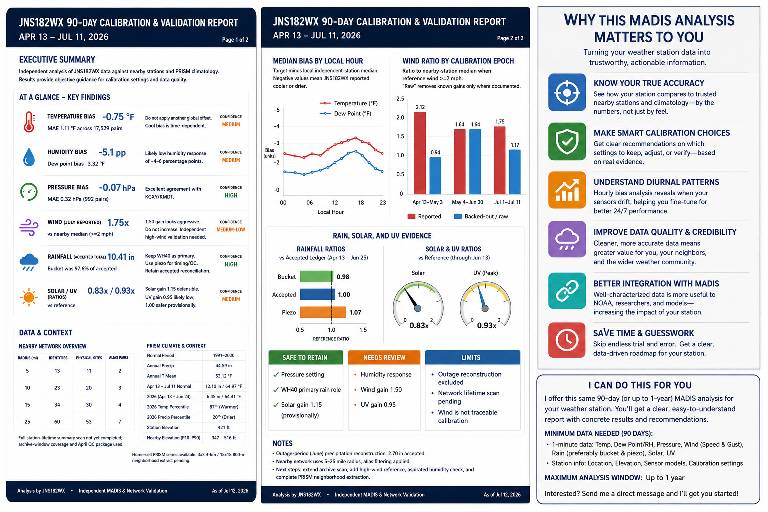
-
Central PA Summer 2026 Discussion/Obs Thread
Jns2183 replied to Voyager's topic in Upstate New York/Pennsylvania
Just about 1" in 40 minutes Sent from my SM-S731U using Tapatalk -
Central PA Summer 2026 Discussion/Obs Thread
Jns2183 replied to Voyager's topic in Upstate New York/Pennsylvania
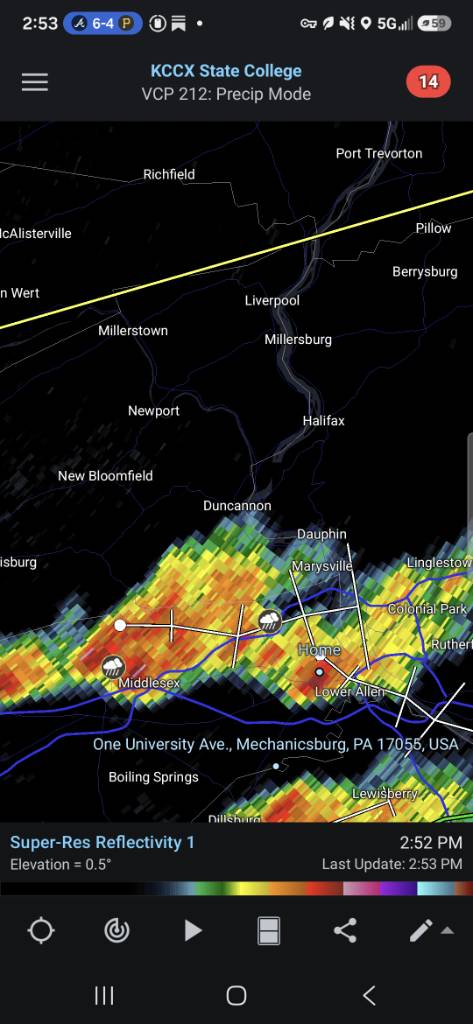
About to be some major convergence of cells Sent from my SM-S731U using Tapatalk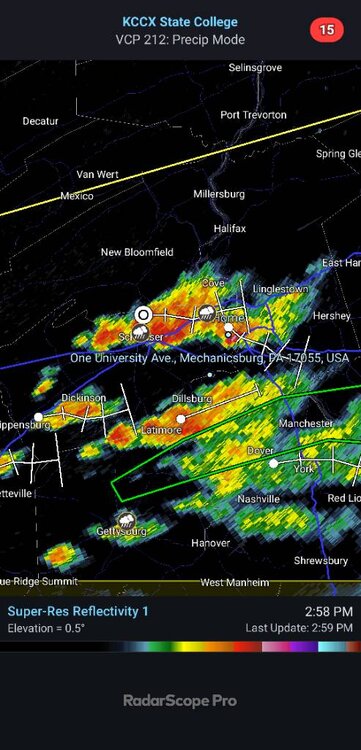
-
Central PA Summer 2026 Discussion/Obs Thread
Jns2183 replied to Voyager's topic in Upstate New York/Pennsylvania
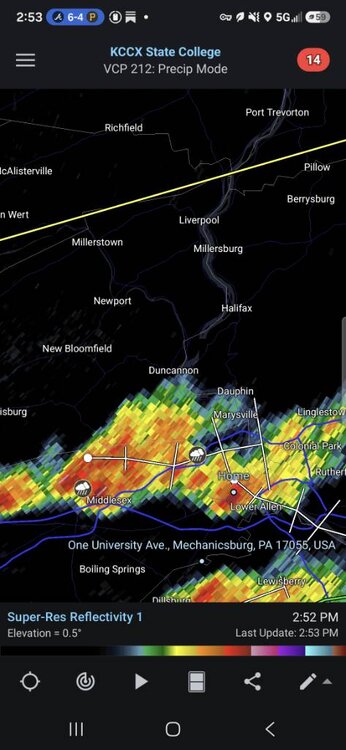
Laid out outflow boundary and orgraphic lift did rest for new cell development Sent from my SM-S731U using Tapatalk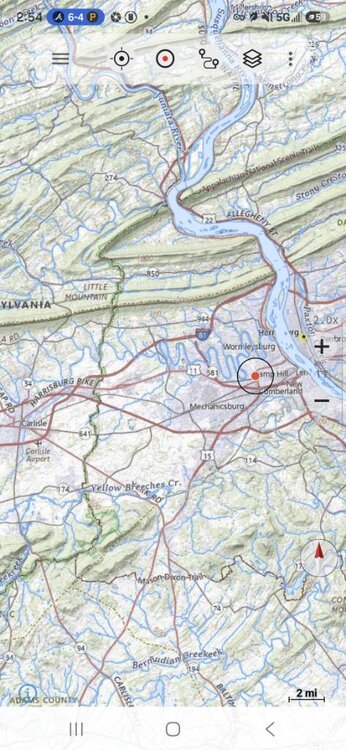
-
Central PA Summer 2026 Discussion/Obs Thread
Jns2183 replied to Voyager's topic in Upstate New York/Pennsylvania
My forcast went to zilch Sent from my SM-S731U using Tapatalk -
Central PA Summer 2026 Discussion/Obs Thread
Jns2183 replied to Voyager's topic in Upstate New York/Pennsylvania
I also bought a good manual rain gauge so that I could start reporting to https://www.cocorahs.org/ I implore everyone here to start that. This area is hurting for people and it would actually make a real difference since there data is ingested for model verification. Sent from my SM-S731U using Tapatalk -
Central PA Summer 2026 Discussion/Obs Thread
Jns2183 replied to Voyager's topic in Upstate New York/Pennsylvania
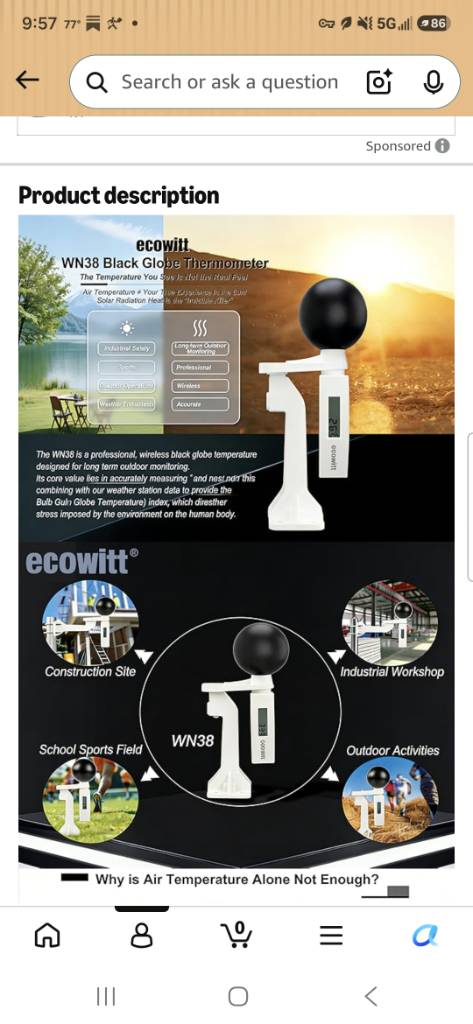
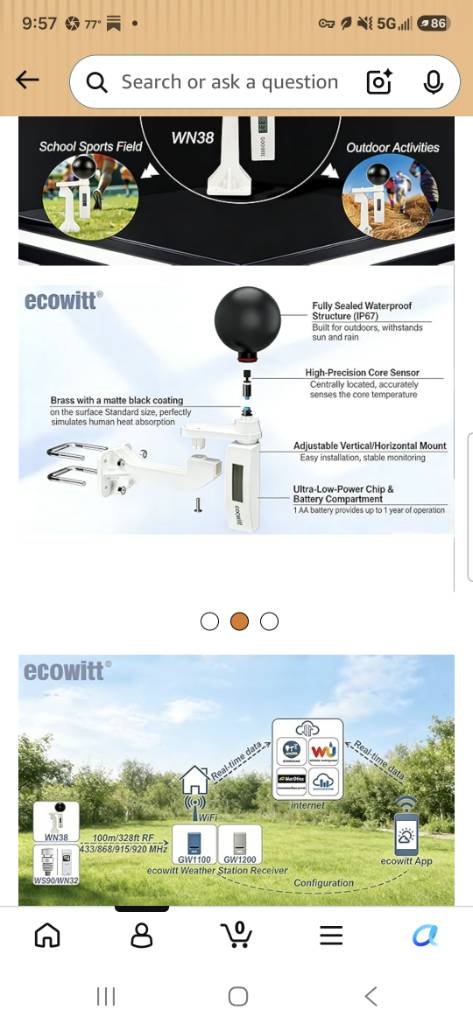
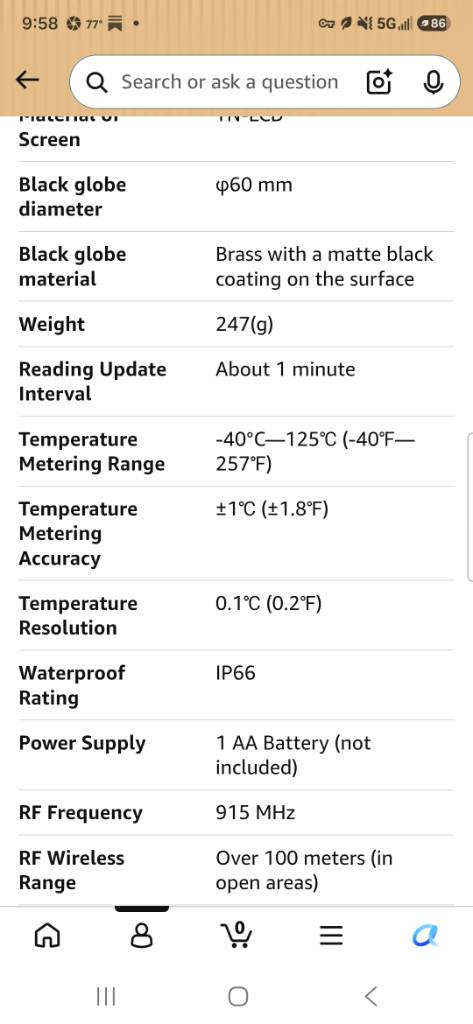
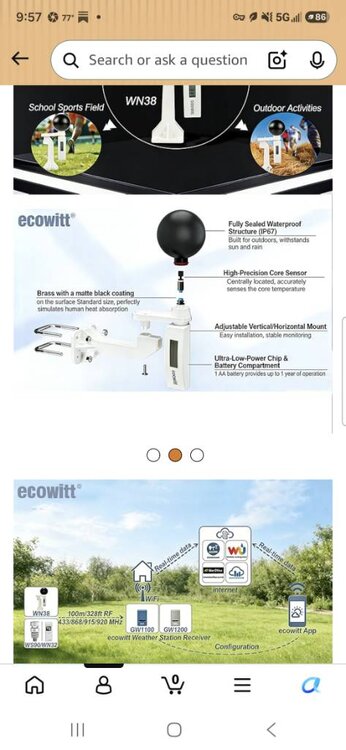
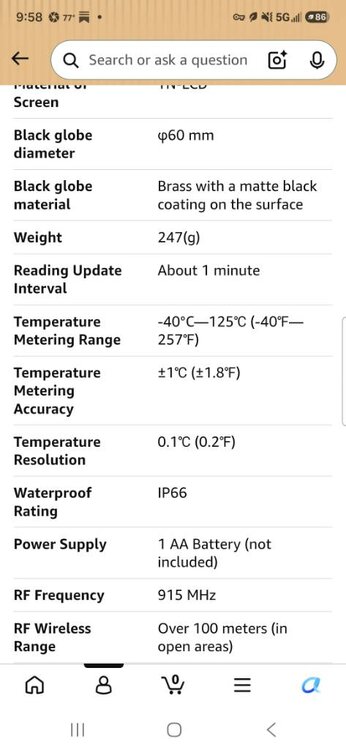
I'm excited for this little toy to add to my sensor network. Hopefully will be here in a week. After that I'll have just about all the bases covered from ultrasonic winds to two rain gauges (one tipping bucket), to lightning detector, soil moisture at 5cm/30cm, soil temperature at 5cm along with conductivity, an indoor air quality sensor that has readings available at the 1, 2.5, 5, 10 ug level and CO2. The only little toys left are an evapotranspiration detector on back order that is sold as a "leaf wetness" detector and a really cool laser measurement one that is technically for water tanks but can be converted to snow measurement. That last one is so tempting but I feel like I would just be burning $70 with how little snow we've been getting around here. What I really need to do is get over my fear of heights a bit more so I can move my main sensor from 15 ft up to 25 ft Sent from my SM-S731U using Tapatalk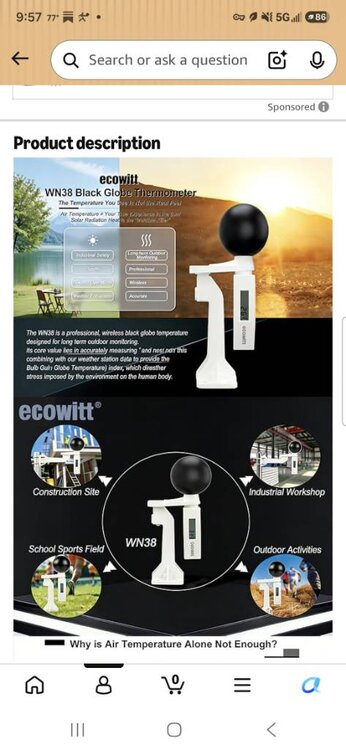
-
Central PA Summer 2026 Discussion/Obs Thread
Jns2183 replied to Voyager's topic in Upstate New York/Pennsylvania
I just got nicked so managed .05" but it happened in 3 mins which is 1" per hour rates Sent from my SM-S731U using Tapatalk -
Central PA Summer 2026 Discussion/Obs Thread
Jns2183 replied to Voyager's topic in Upstate New York/Pennsylvania
Pure swamp ass outside Sent from my SM-S731U using Tapatalk -
Central PA Summer 2026 Discussion/Obs Thread
Jns2183 replied to Voyager's topic in Upstate New York/Pennsylvania
I'm hoping we can get some steady rain. These fast downpours suck due to run off which does nothing to recharge groundwater Sent from my SM-S731U using Tapatalk -
Central PA Summer 2026 Discussion/Obs Thread
Jns2183 replied to Voyager's topic in Upstate New York/Pennsylvania
They all are going to be like that today. The AFD kept hammering how efficient the warm rain process will be today with tall skinny cape and warm clouds up to 11k ft. A little blob is going to put down a whole lot of rain. Someone is going to see 2"-5" today. Sent from my SM-S731U using Tapatalk -
Central PA Summer 2026 Discussion/Obs Thread
Jns2183 replied to Voyager's topic in Upstate New York/Pennsylvania
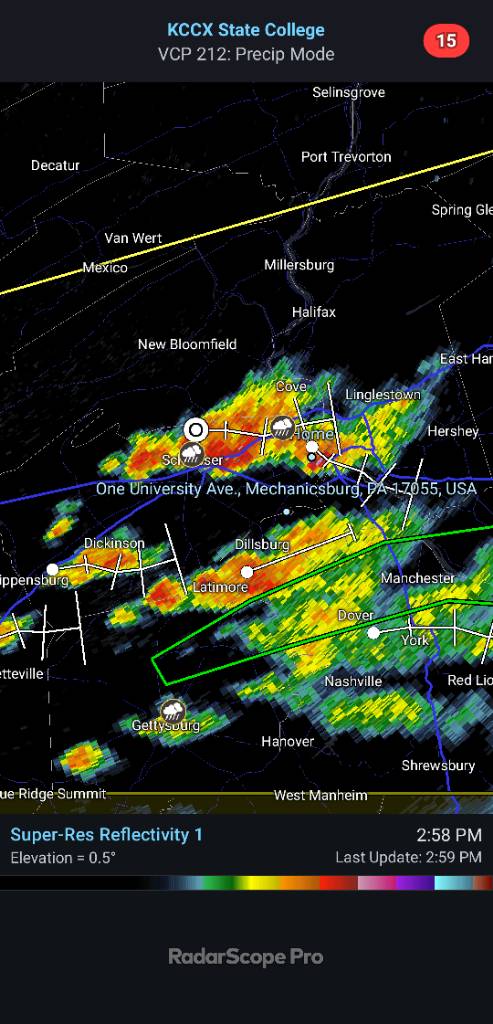
Heavy heavy rain in camp hill. These little cells are hyper efficient rain producers. I have a feeling the main issue today is going to be some bad flooding. The whole atmosphere is primed that way. Any storm damage is going to come from wet microbursts, but any wind is bad with weakend trees, now a wet upper soil. Uprooted trees are going to happen with any semi significant wind. Hopefully the bigger wind issues stay south today. I'll gladly take my chances with 5" of rain vs even a 40mph gust today Sent from my SM-S731U using Tapatalk -
Central PA Summer 2026 Discussion/Obs Thread
Jns2183 replied to Voyager's topic in Upstate New York/Pennsylvania
I'm jealous of the sleeping weather over by Kansas city. Some areas there have had 4 to 6 hours straight of rolling thunder and moderate rain with that MCS slowly crawling. I'd take that so fast. Window open another to hear it all. I think it was summer 2011, that we had that week straight of overnight MCS as we sat on edge of heat dome. It was horrible during the day living in swampland, but every night for a week straight around 2-3am I awoke to thunder, lightning, rain from a slowly dying MCS. If I remember correctly the plants were turbo charged all summer from the plentiful moisture and heat. I feel like some of you still have records from cutting grass that summer. Sent from my SM-S731U using Tapatalk -
Central PA Summer 2026 Discussion/Obs Thread
Jns2183 replied to Voyager's topic in Upstate New York/Pennsylvania
I think I can find the radar. I texted my friend, but he's on his way to Brazil currently so we shall see. How are farmers summer crops coming along? Sent from my SM-S731U using Tapatalk -
Central PA Summer 2026 Discussion/Obs Thread
Jns2183 replied to Voyager's topic in Upstate New York/Pennsylvania
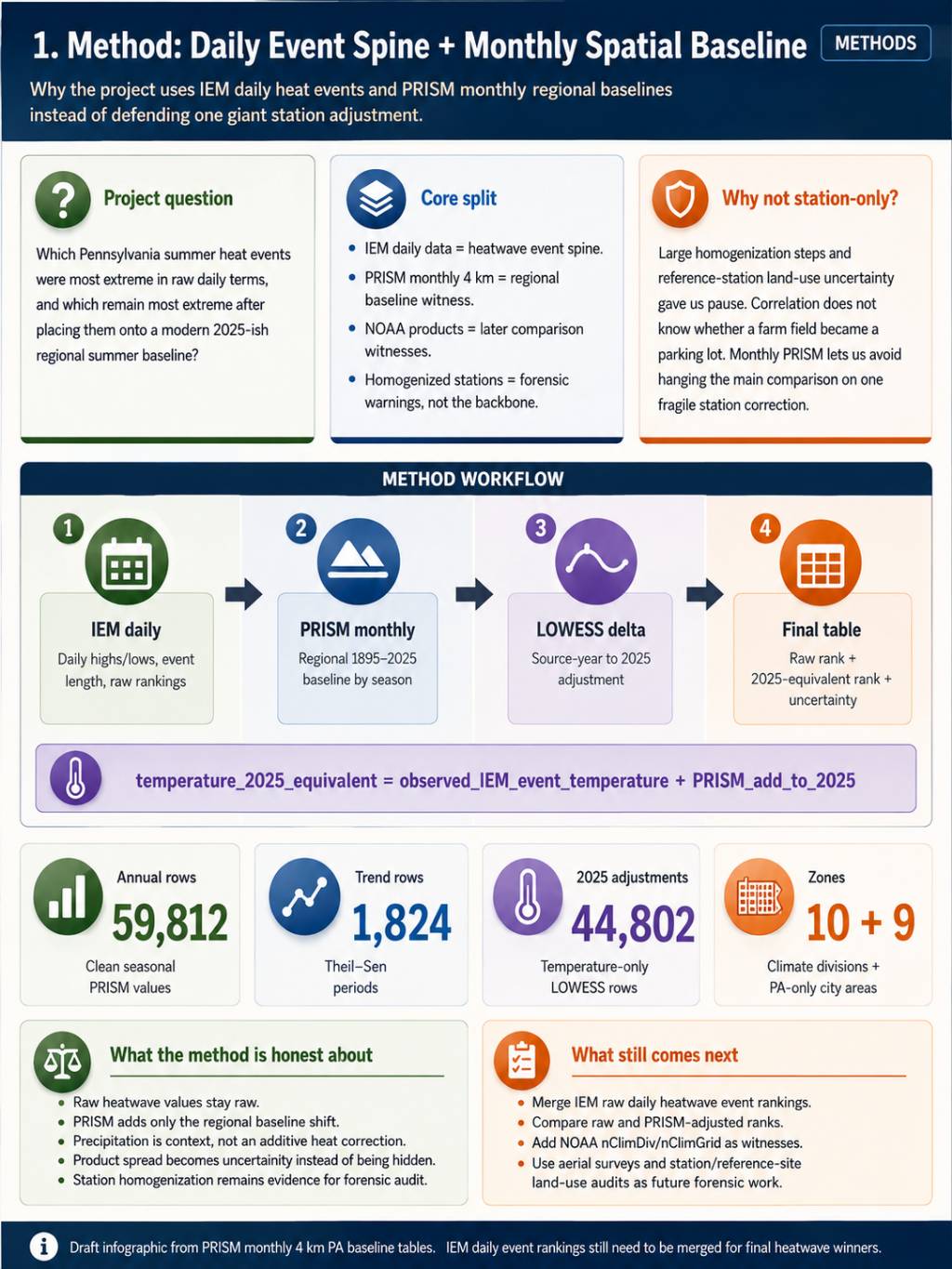
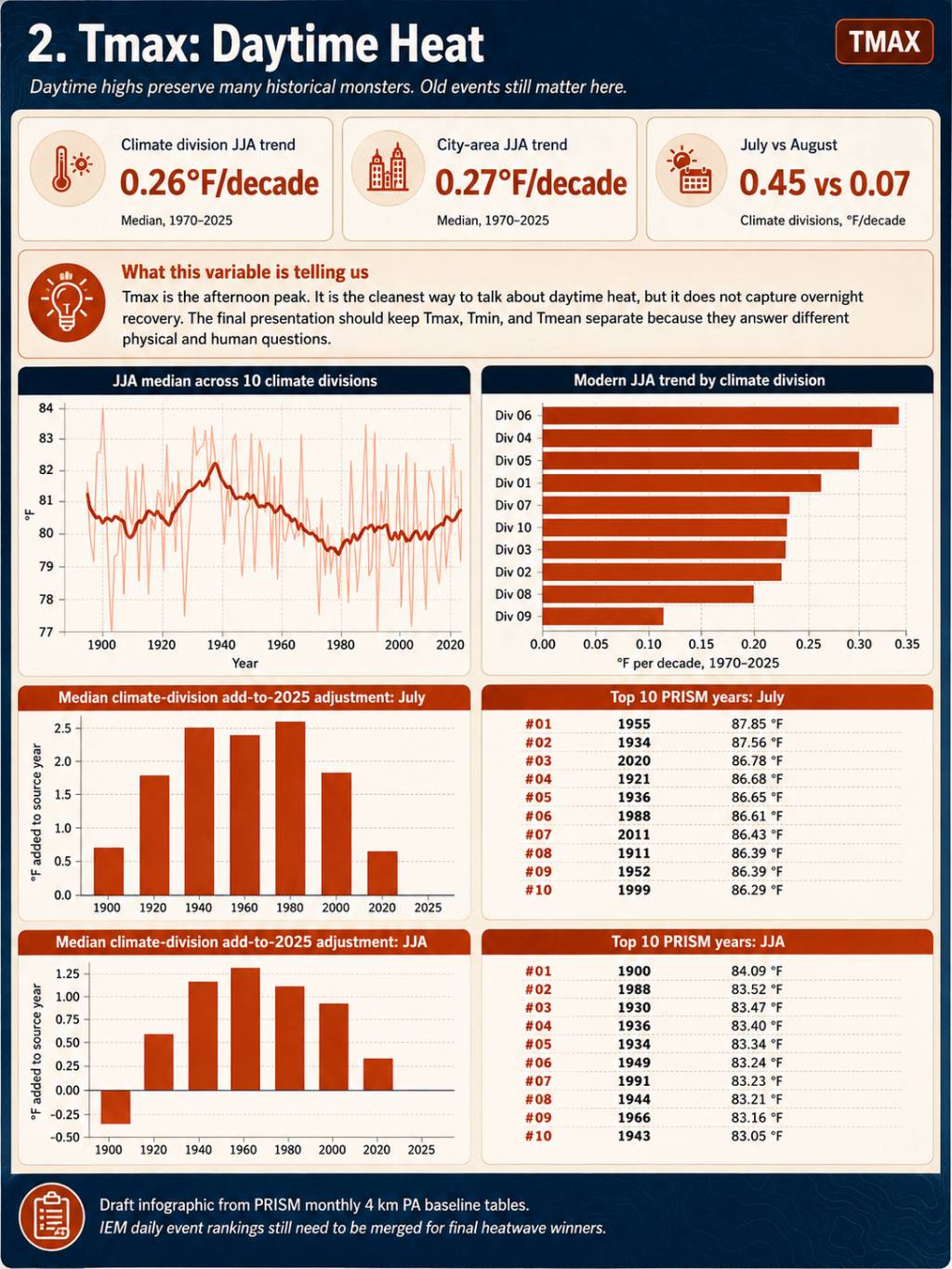
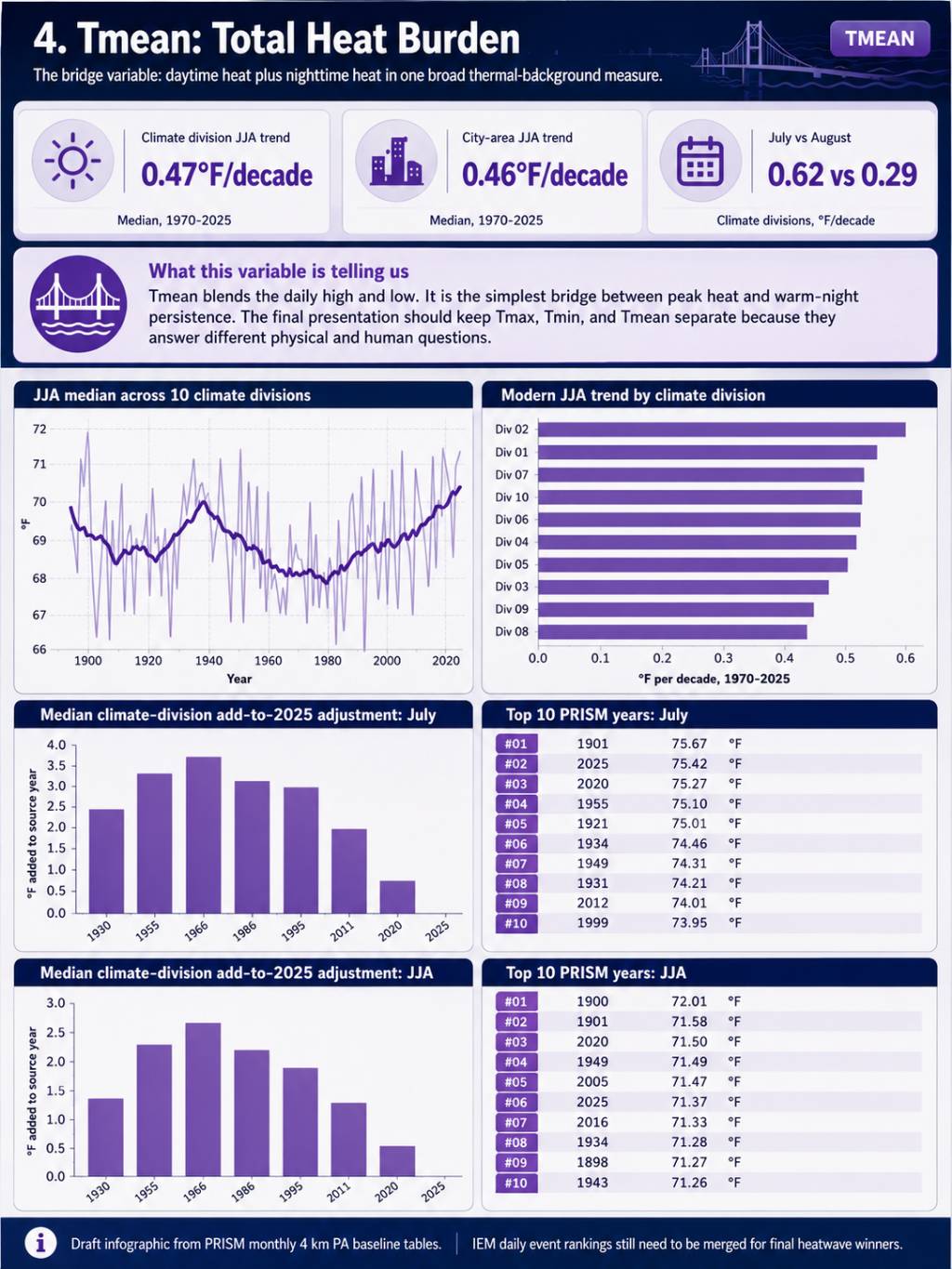
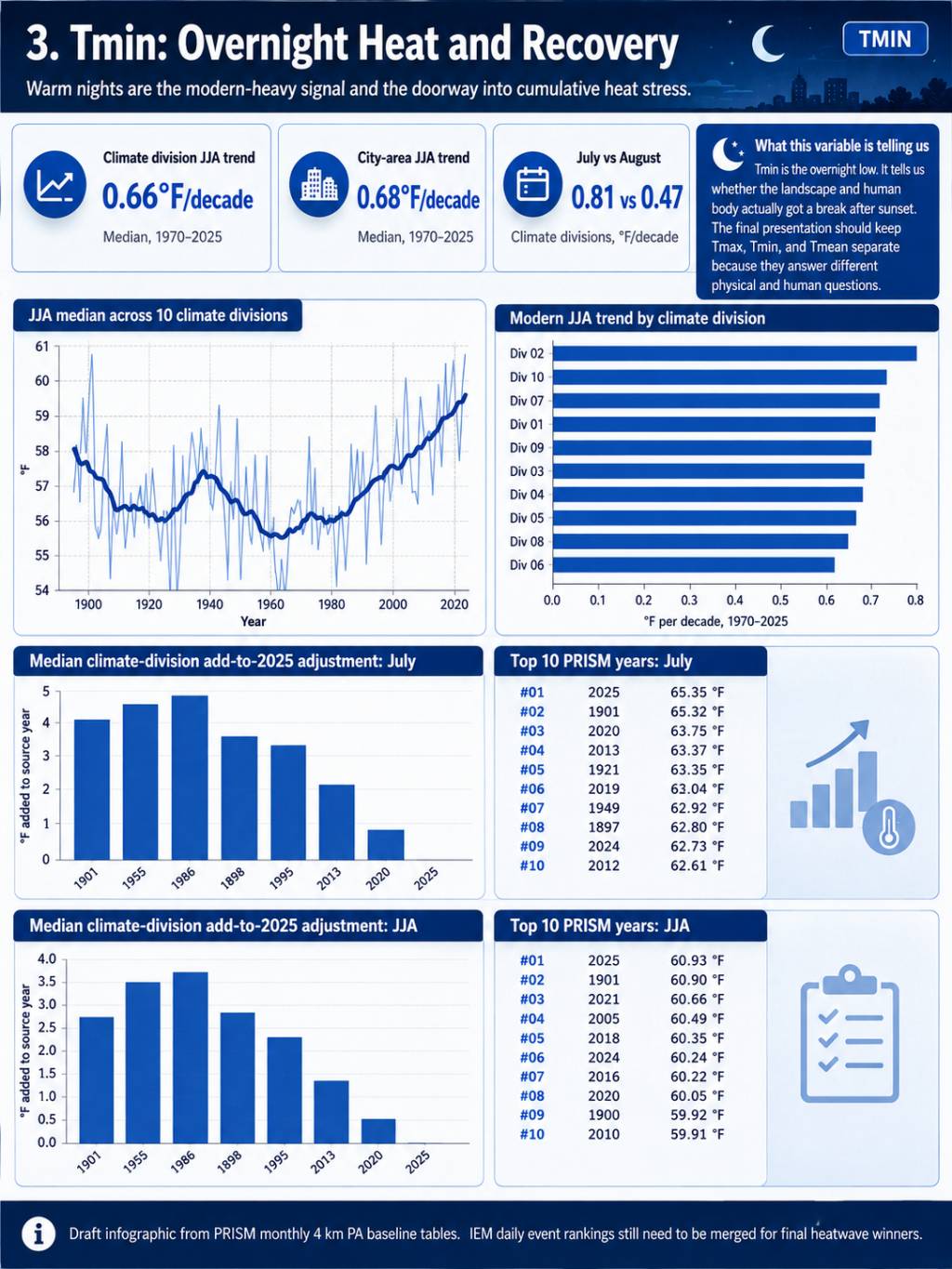
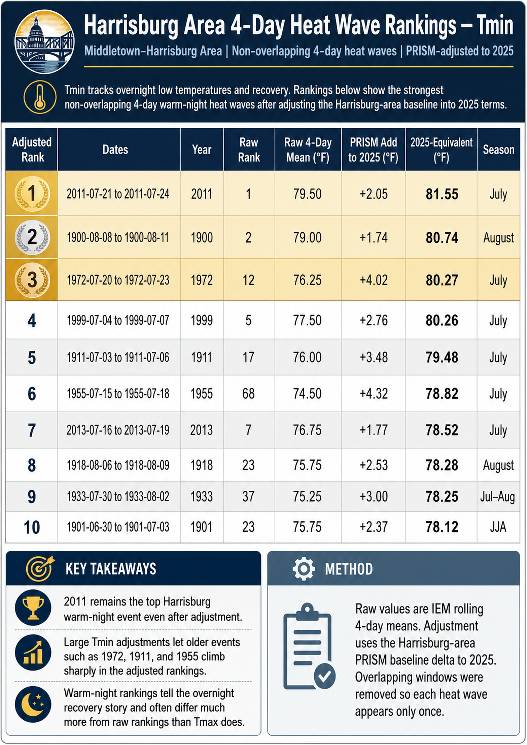
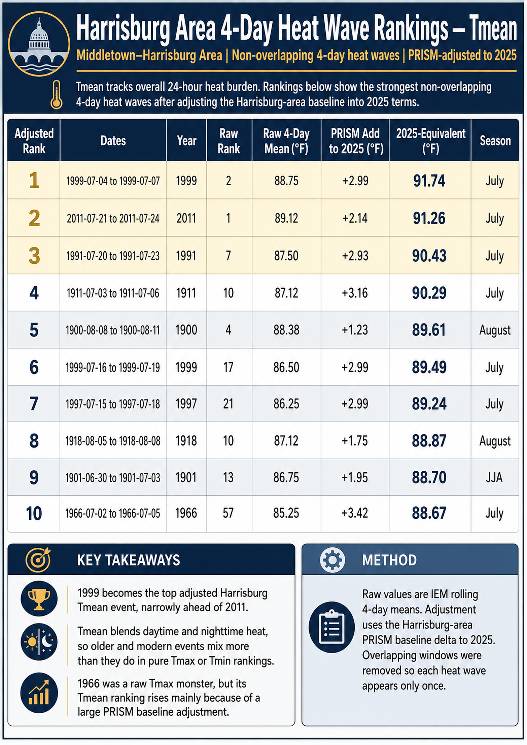
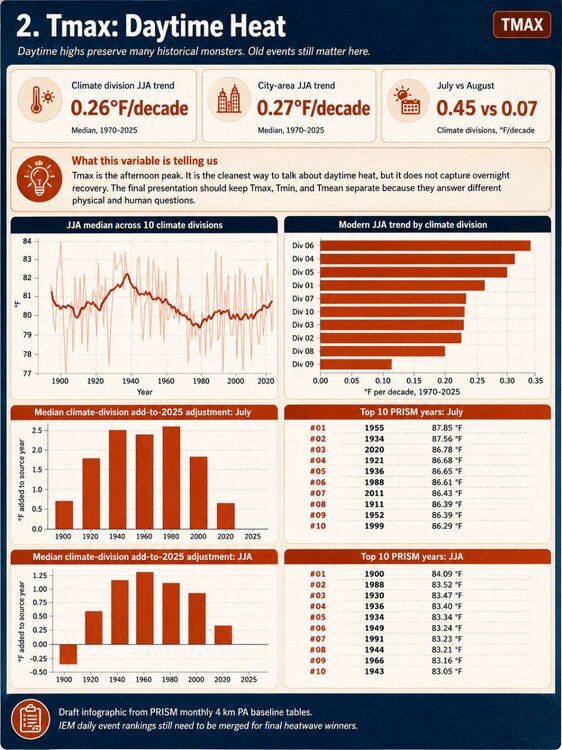
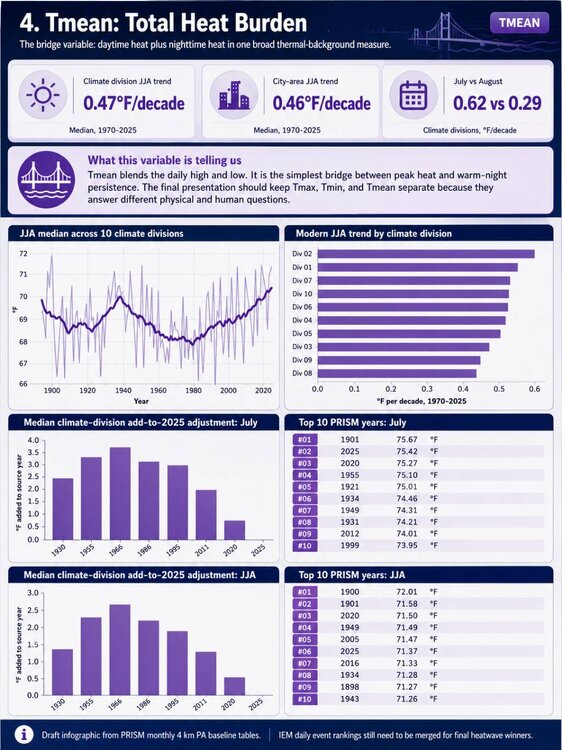
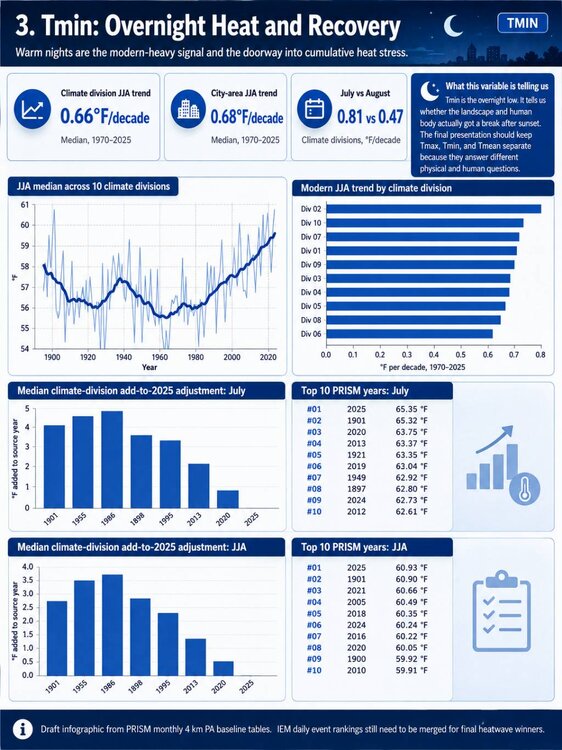
Here are my updated heatwave rankings. It doesn't have the latest one in them simply because I need to wait till July passes to properly weight the temperature. I don't think most people know just how dry the summer of 1966 was, nor that our hotest summer by max temperature was 1949. The 1930's to 1940's were brutal here. Hot summers and crappy snow in the winter. Sent from my SM-S731U using Tapatalk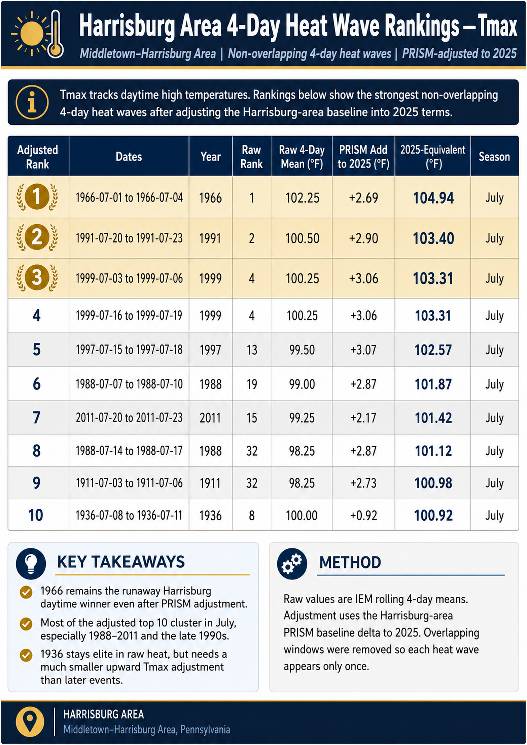
-
Central PA Summer 2026 Discussion/Obs Thread
Jns2183 replied to Voyager's topic in Upstate New York/Pennsylvania
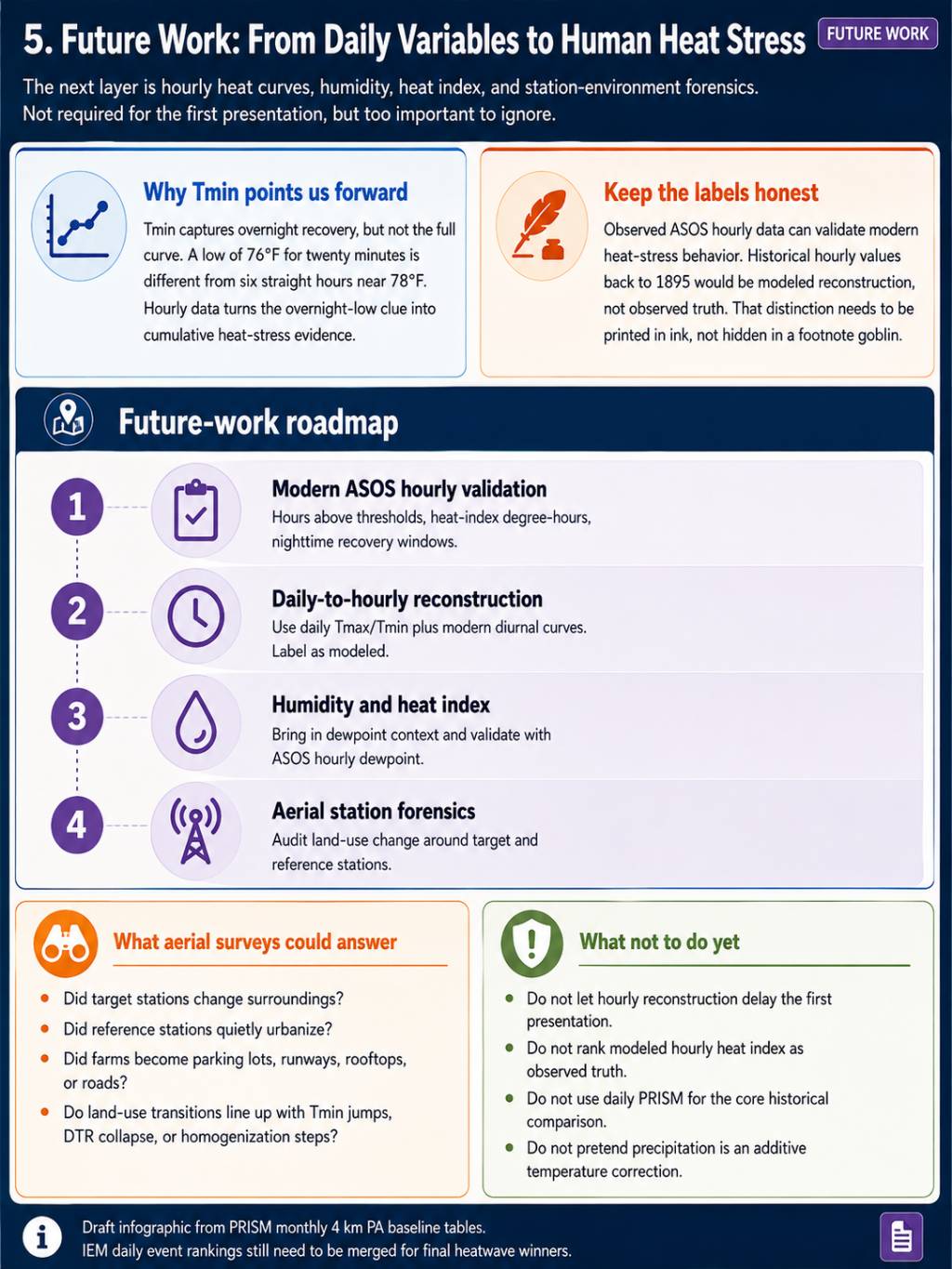
I tried to find the most defensible position in putting every summer day from 1895 to 2025 on a 2025 scale. I looked at various methods. Homogenization is not meant to answer that question and it provided less clarity the deeper I went. Future work is to try to get more a handle of what I saw there. This i feel is a strong position where I honestly put forth confidence positions. I look forward to feedback. For future work I think there's lots of potential in an area I have not seen developed at all and that is using the aerial surveys that were digitized by Penn State starting in the 1930s through the 1960s all across Pennsylvania where we could actually see the land use changes in real time in the placement for some of these long-term climate sites and the stations that they are correlated with maybe combining that with the metadata we can get a better idea of what was going on at different times and what adjustments are supported which ones are artifacts of piecewise correlations. I find this absolutely thrilling and exciting because it really has a bit explored much from the angle I'm looking at. Sent from my SM-S731U using Tapatalk -
Central PA Summer 2026 Discussion/Obs Thread
Jns2183 replied to Voyager's topic in Upstate New York/Pennsylvania
Future work Sent from my SM-S731U using Tapatalk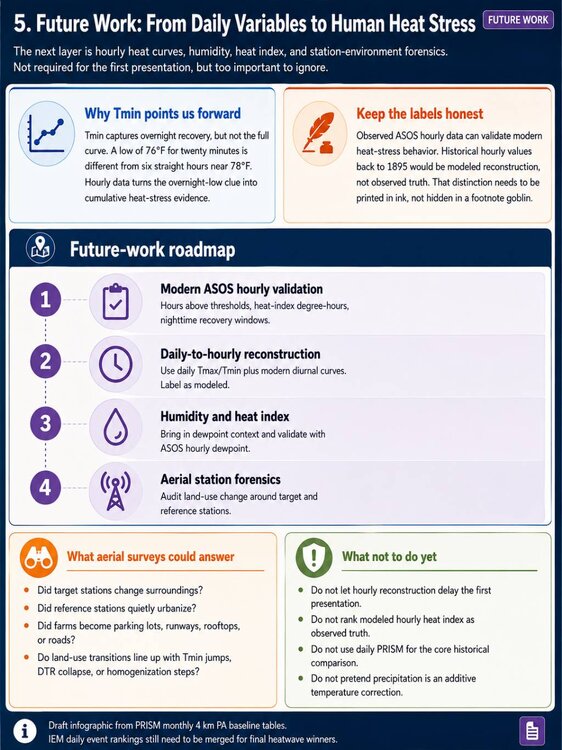
-
Central PA Summer 2026 Discussion/Obs Thread
Jns2183 replied to Voyager's topic in Upstate New York/Pennsylvania
I promised some fun Sent from my SM-S731U using Tapatalk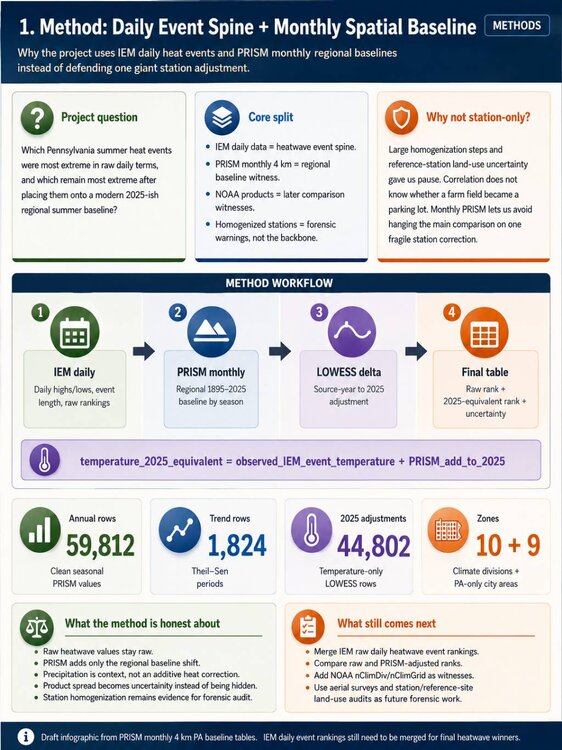
-
Central PA Summer 2026 Discussion/Obs Thread
Jns2183 replied to Voyager's topic in Upstate New York/Pennsylvania
I wonder if we are going to get a single good cape verde Atlantic storm this year or if it will all be Gulf and homebrew Sent from my SM-S731U using Tapatalk