dendrite
-
Posts
76,045 -
Joined
Content Type
Profiles
Blogs
Forums
American Weather
Media Demo
Store
Gallery
Everything posted by dendrite
-
34.9° OVC
-
Premature accumulation?
-
It’s up to 63° in here
-
And yet people are clogging 93N another Columbus Day weekend to see mostly sticks.
-
Min 37.8° Should be a close call tonight. I don’t want to bring plants in, but MOS is 33/34 at CON and it’s a race to see how much we radiate before the increasing clouds offset it.
-
I have to replace all of the ones you’re cutting
-
Weird. Do I show up as still being active in the PM? I may have closed that in March. I haven’t used thst method in awhile for editing titles…but you can go to your first post and click to edit the content and there should be an option to edit the title and subtitle.
-
Nope. I have unlimited PMs too.
-
I have no messages from you
-
If it kills my plants it’s real
-
62.3/29.9 Beautiful warm day
-
I mean it’s all relative. It could be +10F for winter here and it’d still be too cold for me. 1877-1878 in DLH Dec +15.6F Jan +9.3F Feb +15.6F (yes same dep as Dec) Mar +11.8F Roughly +13F for DJFM is pretty wild
-
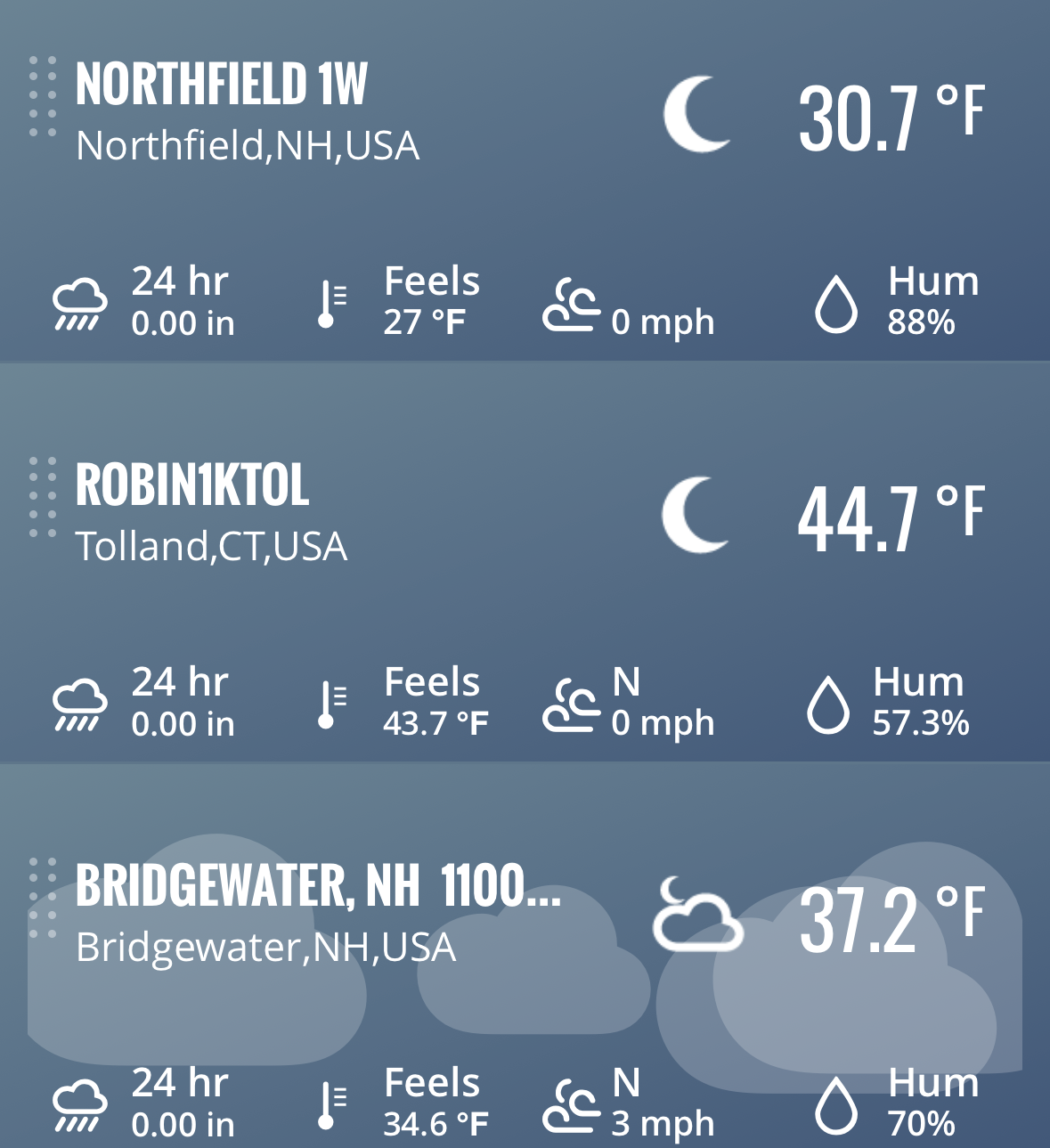
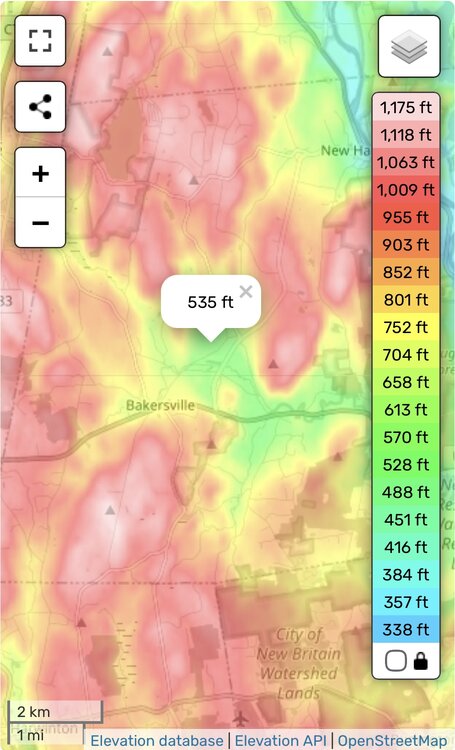
He does have a sheltered valley there and I’m sure it’s a local min on rad nights. But his temp is still too cold from no proper shielding. If everyone was near 32° there I could probably buy 28ish, but 24° would be a New England min excluding HIE. lol
-
WWWLT If I did that it’d be 45° in here by Halloween
-
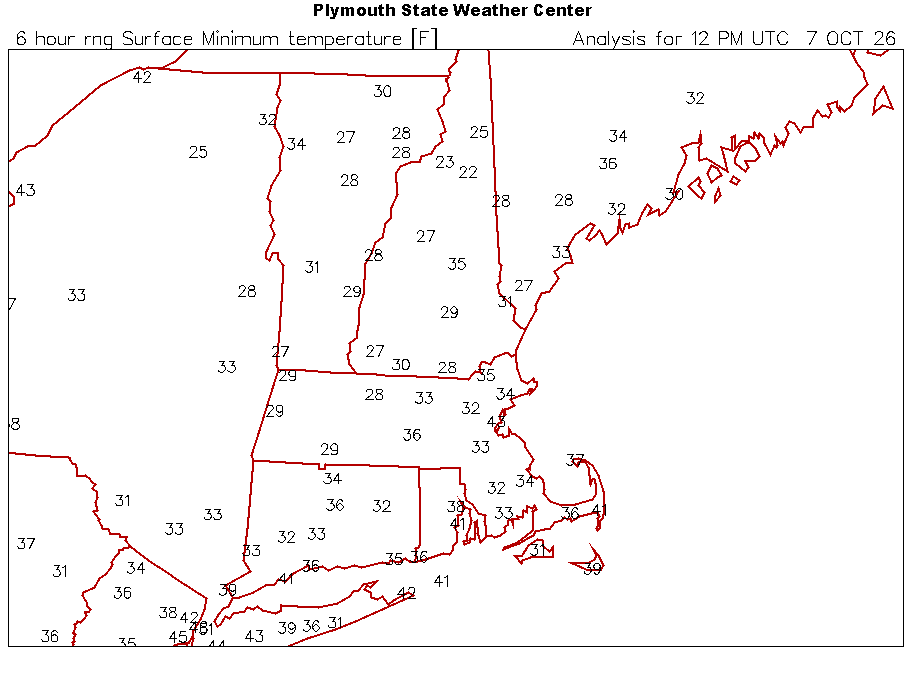
Mins…MHT is still having issues, but looks like they were around 34°
-
24° at Maple Hollow!
-
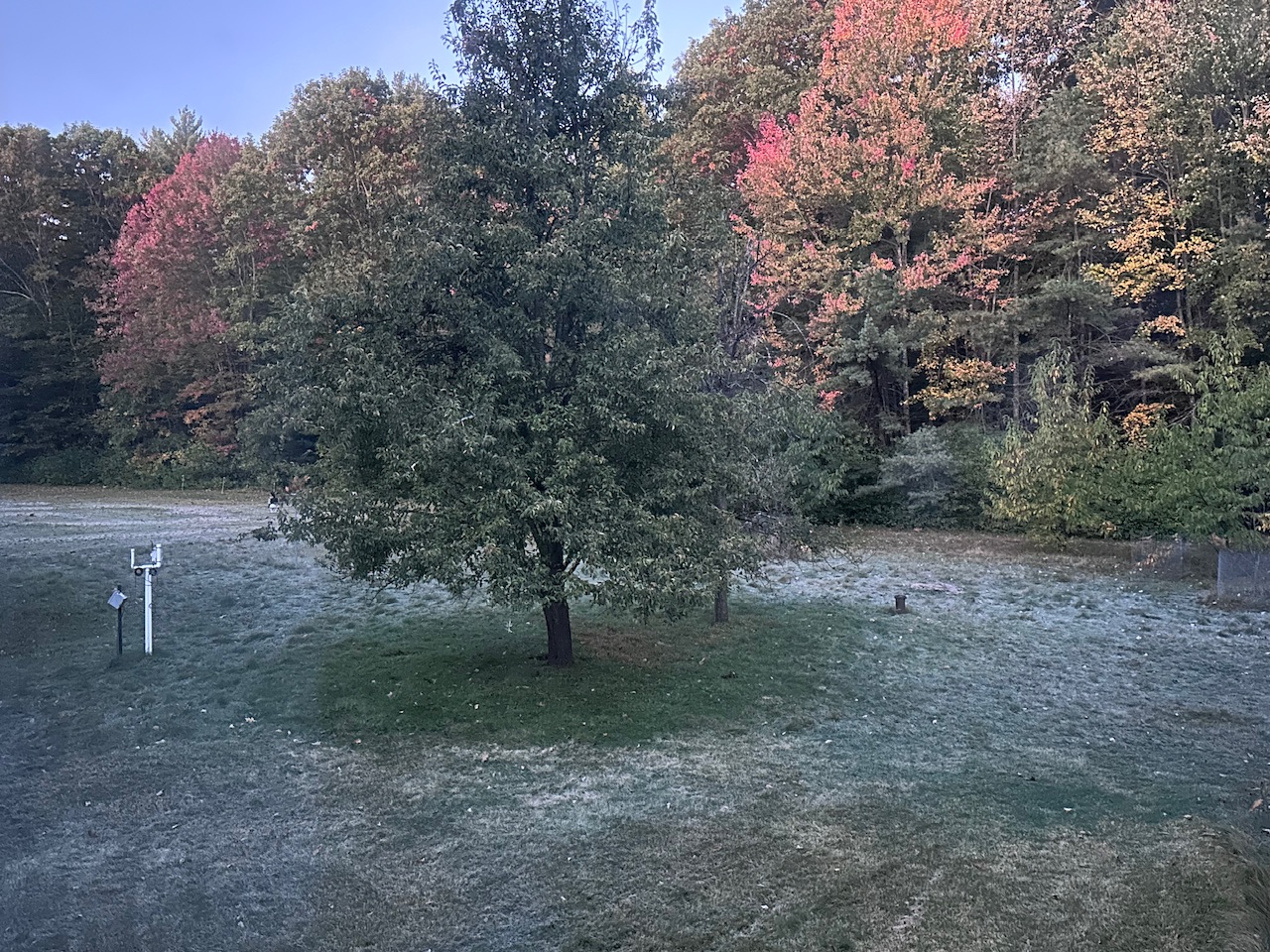
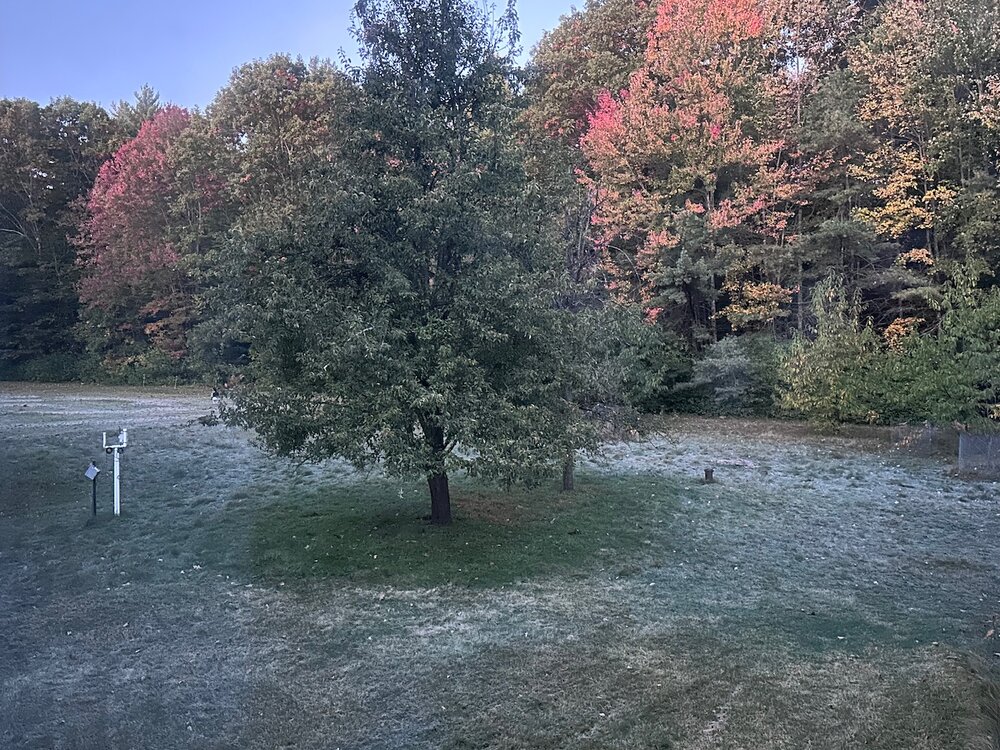
Frost free under the pear tree
-
FBI is coming to your door…
-
29.9°
-
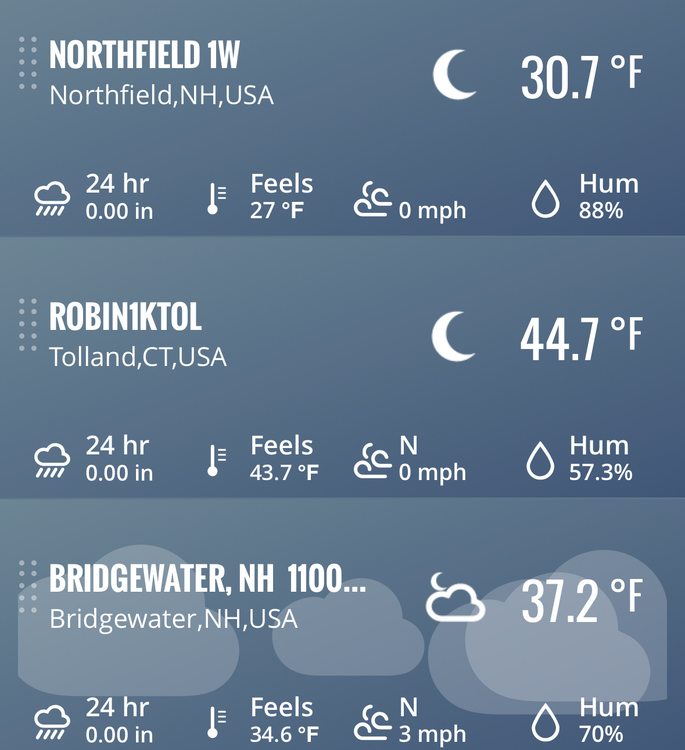
Meanwhile at elevation…
-
31° Guess I need to run out and bring plants in. Damnit.
-
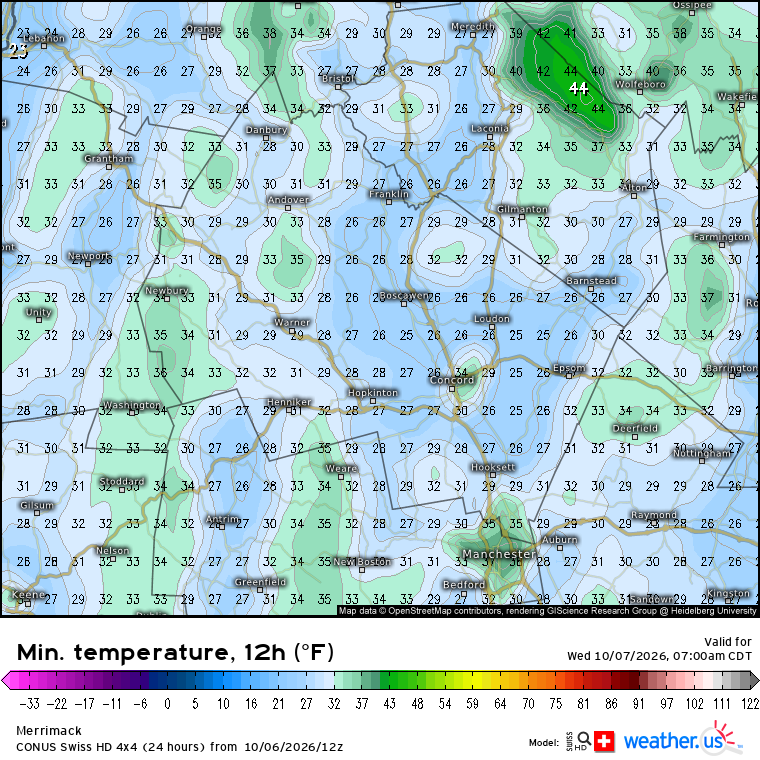
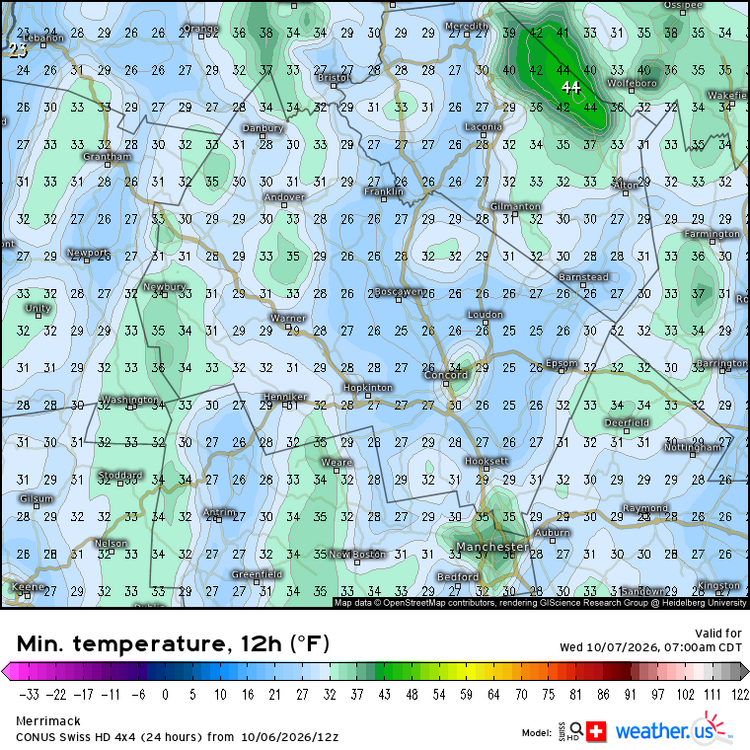
39°…probably a mistake to not bring the seedlings in… Swiss mins for tomorrow morning here
-
Sure…not saying it was cold overall. Just that there were still periods of record cold east of the Rockies and within a Std Dev of snowfall. Summer 1816 had some 90s up here too. But yeah, there weren’t many cold shots in the upper plains and midwest that winter. Blowtorch.
-
-
CON’s 2nd coldest temp on record was in Jan 1878. 50” of snow on the season which is BN but not a ratter in the period of record. But that was in the middle of a stretch of very snowy winters.