dendrite
-
Posts
76,046 -
Joined
Content Type
Profiles
Blogs
Forums
American Weather
Media Demo
Store
Gallery
Everything posted by dendrite
-
So many 10mb maps on social media. You hate to see it.
-
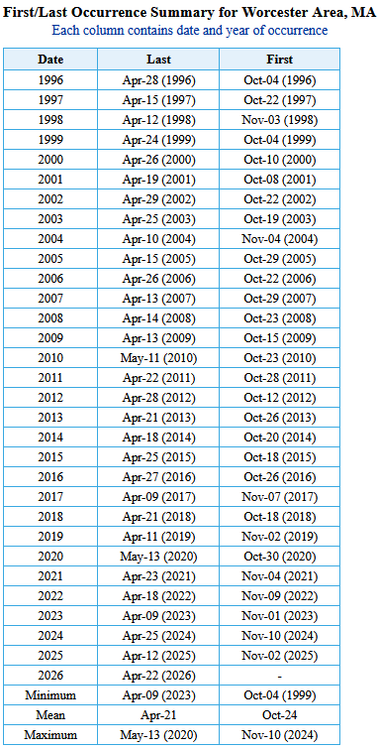
ASOS era
-
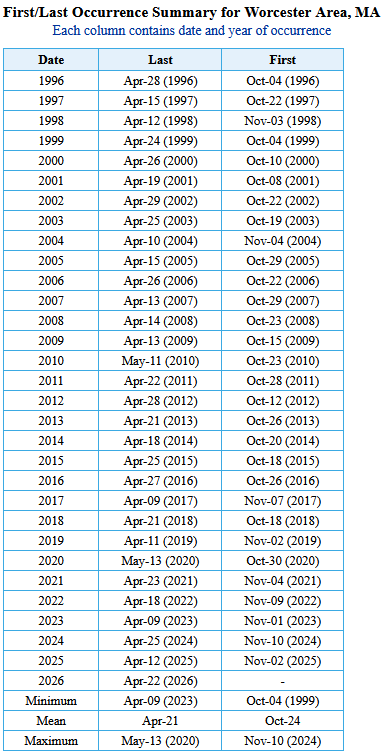
ORH hasn’t had a freeze before November since 2020.
-
Wind has been meh here for awhile.
-
They’re blocking the sun here, but we should clear back out soon. Back to 62° after hitting 68°.
-
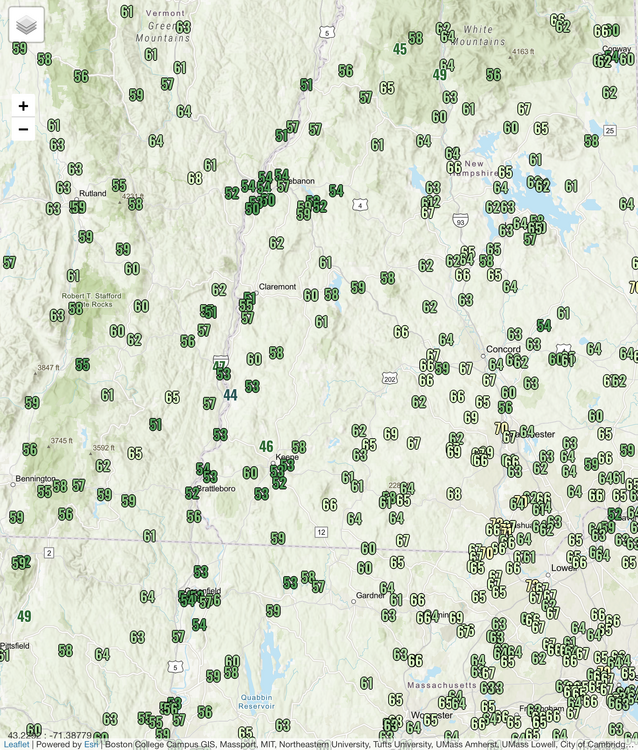
Kinda cool to see the CRV still wedged after noon despite sunshine.
-
66.0°
-
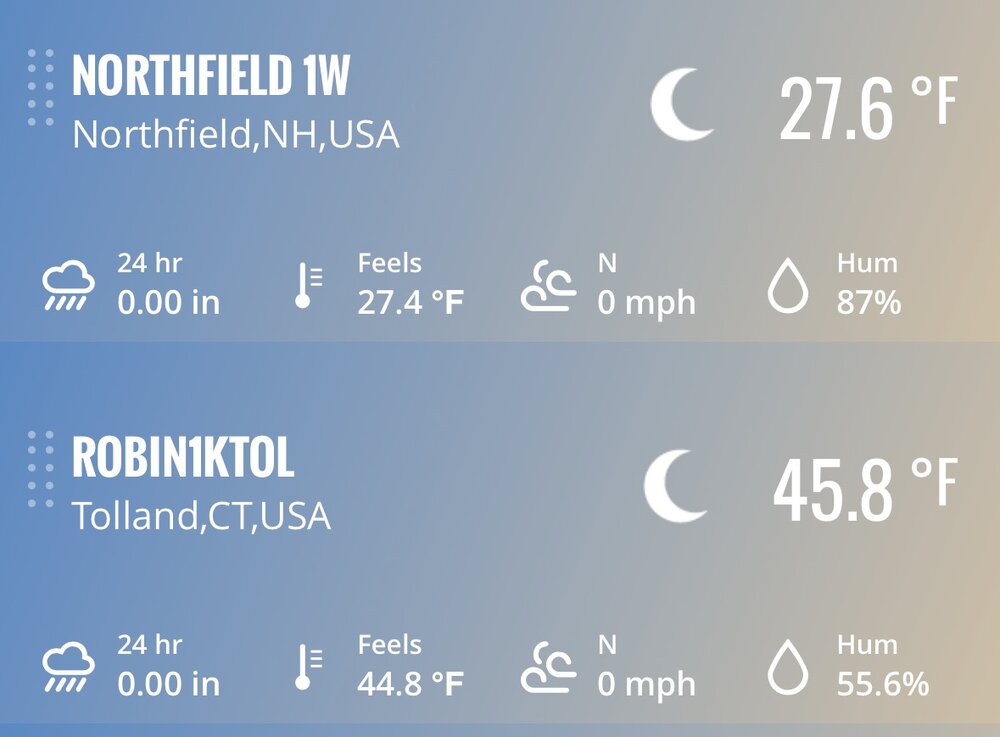
Same here…just hit 60° after a low of 30°.
-
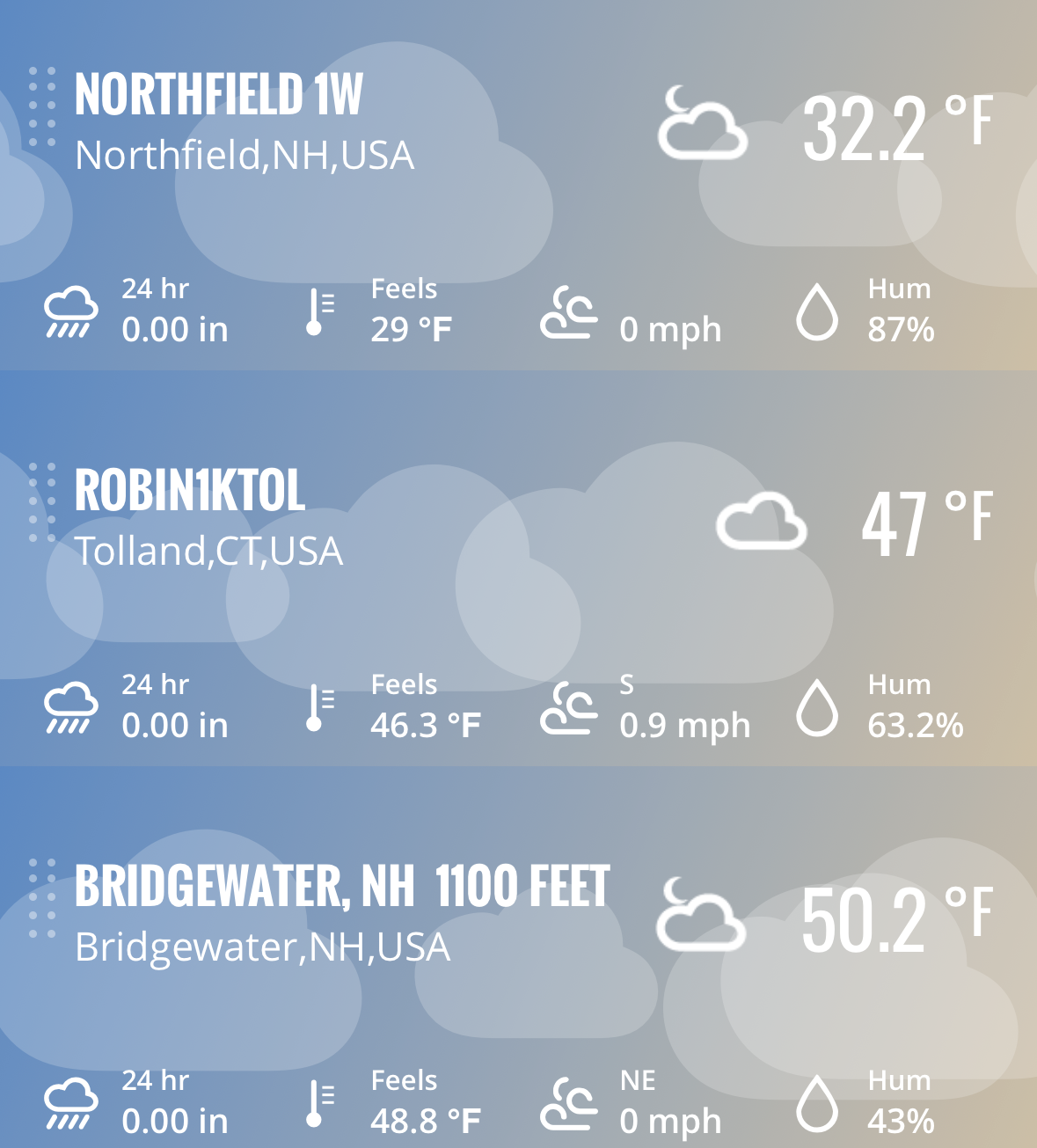
Lots of mid level clouds here. Still 37.6°
-
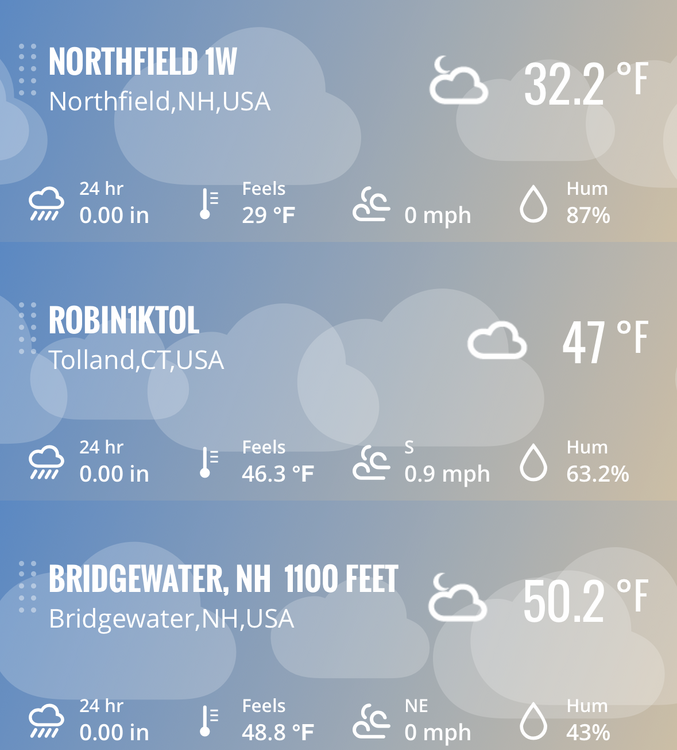
Min 30° A wee bit warmer higher up
-
I had 19” here and the oaks were still loaded post storm with partially green leaves.
-
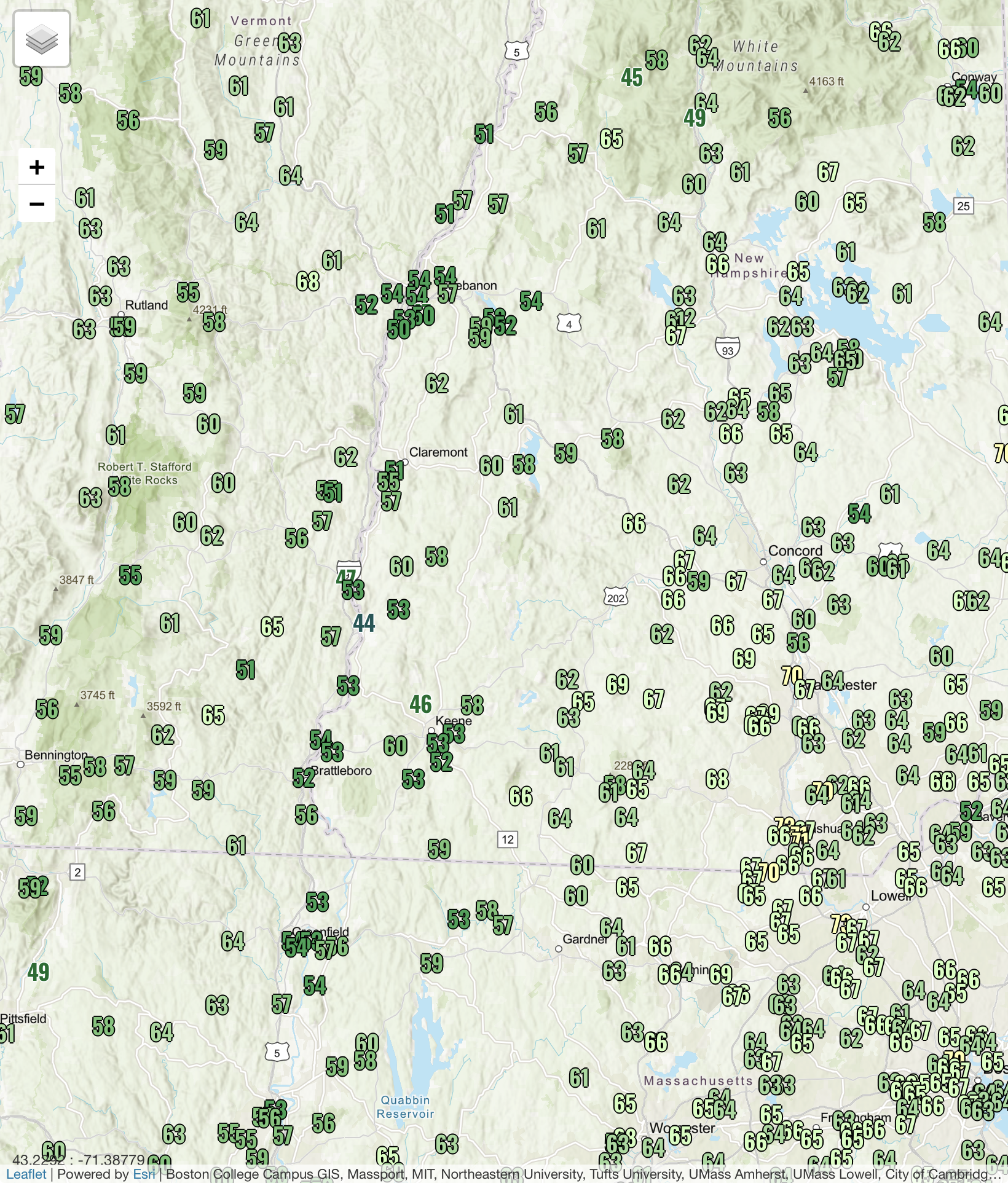
Elevations are mostly 40s. Gunstock and Bretton Woods are 40s too. Should be a warm day once this cold mixes out.
-
Some of us have to deal with cold and salt in the winter
-
They have IZG. Some like GHG don’t report 6hr max/mins. But yeah…still gotta update the list for some.
-
-
And you may find yourself, in a record Niño And you may find yourself, in a neverending ridge And you may ask yourself, “Why is Will still not posting?” And you may ask yourself, “What if The County gets no snow?” And you may tell yourself, “Greta is not my beautiful daughter”
-
That was yesterday
-
It’s the only weather we’ve got
-
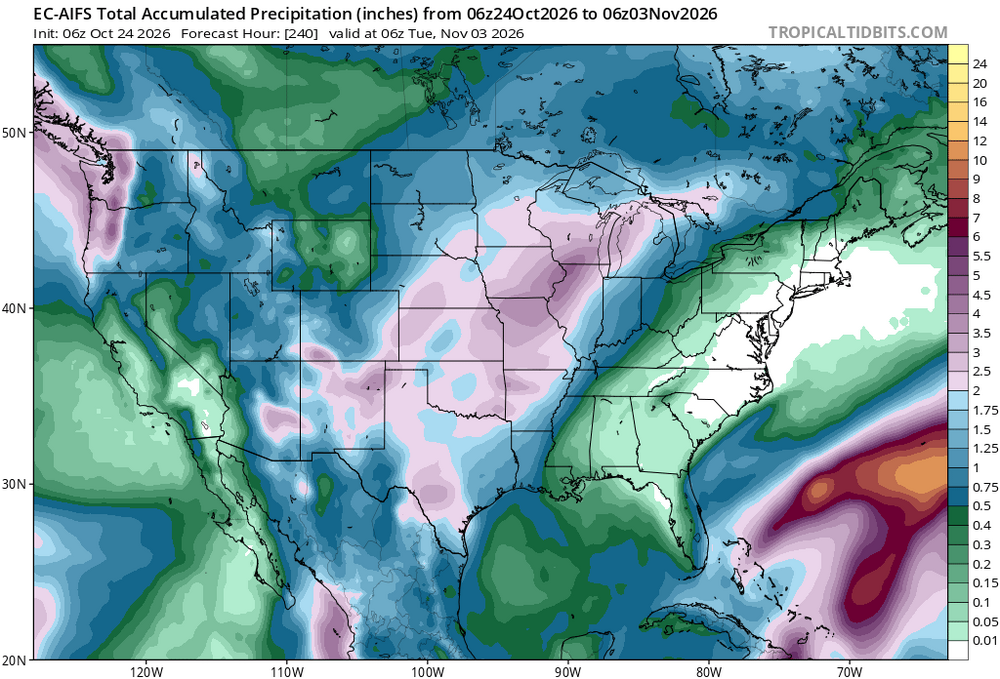
It’s like rai-e-aaaain, on your Christmas day
-
ORH was 34° so I don’t think his station is too far off
-
There was a 1400’ site out there at 42°.
-
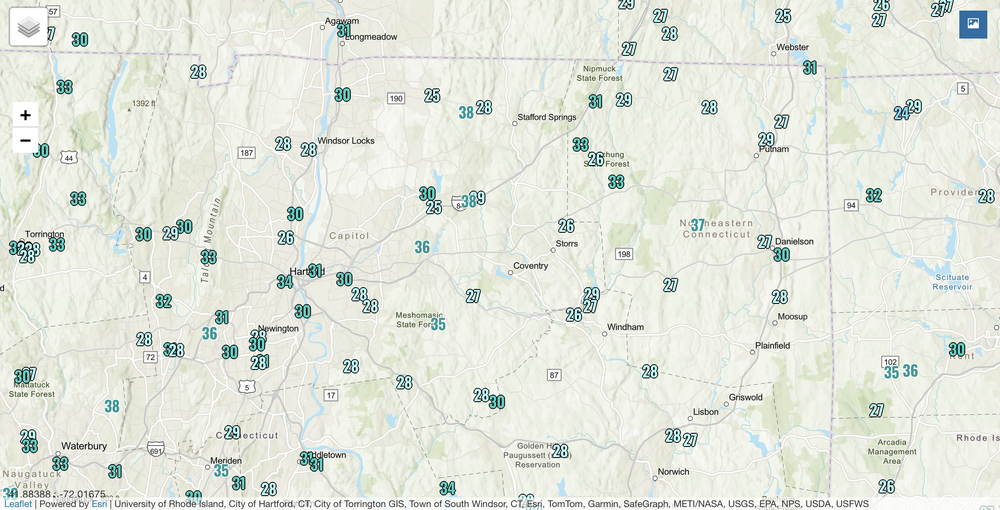
Congrats on being the Florida of CT
-
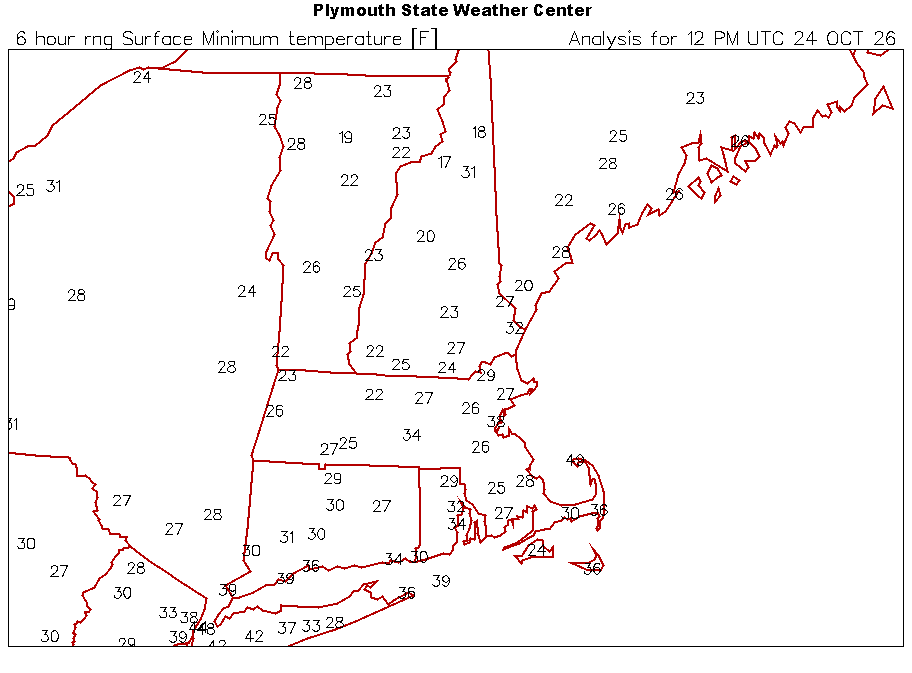
Mins. Congrats HIE. Looks like SLK ASOS croaked yesterday morning.
-
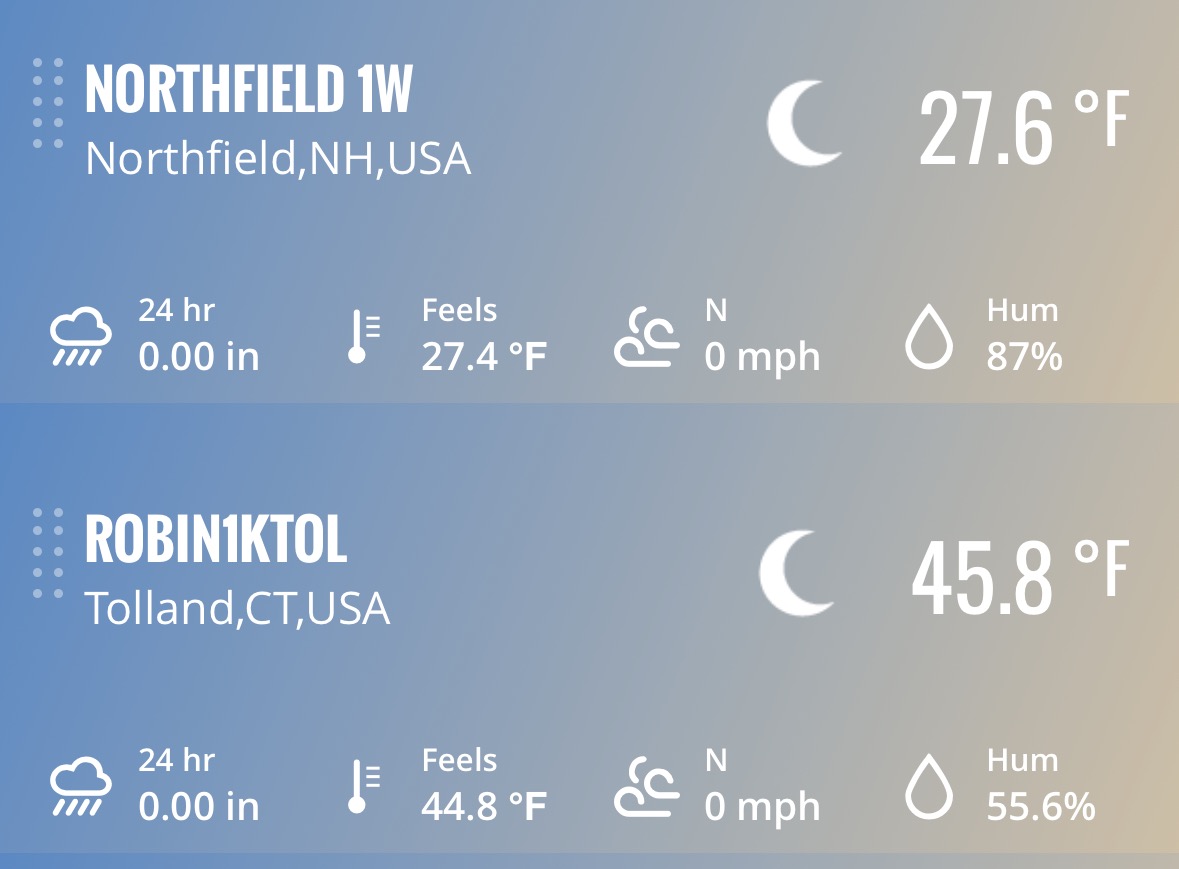
26.8°
-
I’d take your climo in a heartbeat. First one to hit 50° in a cutter too. Highly jealous.