eyewall
-
Posts
13,370 -
Joined
-
Last visited
Content Type
Profiles
Blogs
Forums
American Weather
Media Demo
Store
Gallery
Everything posted by eyewall
-
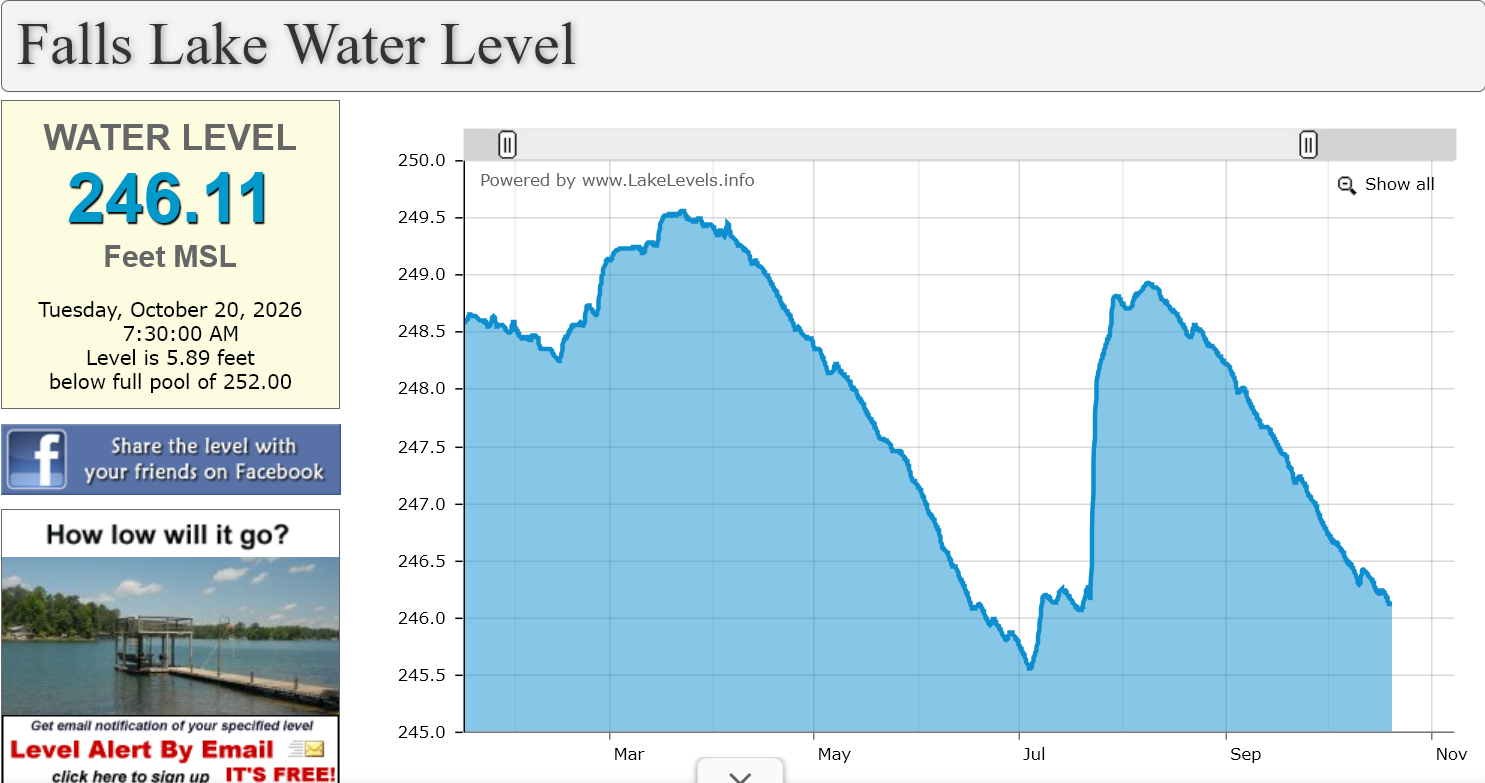
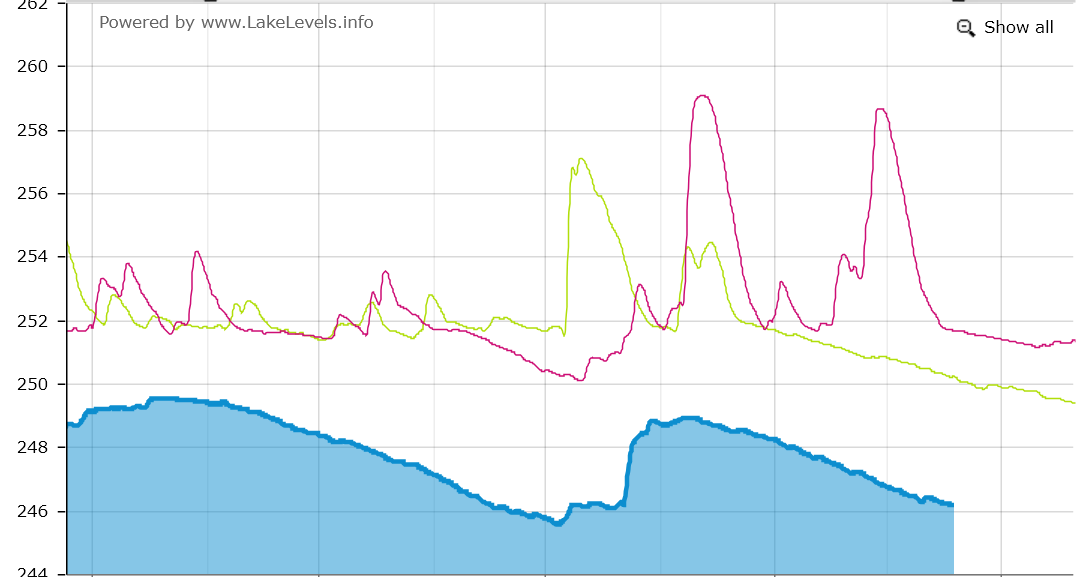
In a few days it looks like Falls Lake will fall below its summer low point of around 245.55 feet. It is now at 245.86 and dropping. I am afraid we could rival the 2007 lows if this keeps up.
-
2026-2027 Fall/Winter Mountain Thread
eyewall replied to BlueRidgeFolklore's topic in Southeastern States
It was too late for Dolly Sods and the remnants of Isaias did a number on the higher elevation leaves but I hit some real nice spots near Monterey VA and at the Blackwater Canyon in WV as well as near Seneca Rocks (which is an awesome place color or not). These were all taken on 10/15 and 10/16. -
2026-2027 Fall/Winter Mountain Thread
eyewall replied to BlueRidgeFolklore's topic in Southeastern States
I am glad I skipped Linn Cove this year as I heard it was a zoo even at sunrise now. I used to go every year for fall but this time I went for WV/VA. -
Another 5 to 6 inches and it will match the summer low point.
-
I agree the rusty colors of post peak can sometimes put on their own show. If the leaf drop is not horrible, Smugglers Notch can put on a good post peak show as I recall. This was a shot I got back on 10/17/2015:
-
Yeah the water restrictions will likely come back.
-
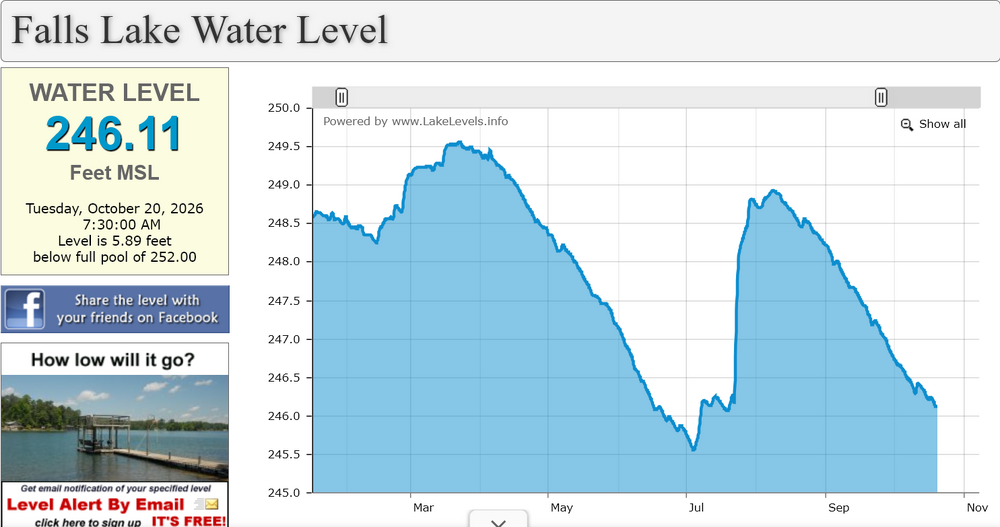
This is a better depiction of the lake level without previous years shown. It is on the way to the lows we saw over the summer once again and this week at least looks completely dry.
-
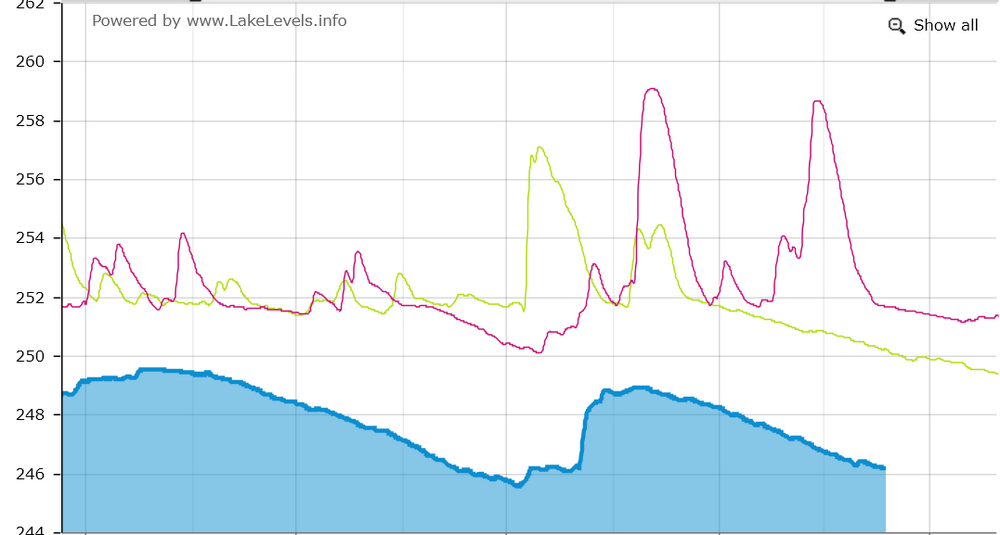
Falls Lake is becoming an issue again for sure:
-
Well it looks to be dry as a bone this week. So much for any rain from that coastal.
-
I got a shot of the funnel which was rainwrapped on this storm. It was on the ground at one point as seen here in the NWS damage survey. I had to dehaze in lightroom to really bring it out. I was just west of where the touchdown occurred
-
Got this near Morrisville (Had to dehaze in post to really see it due to it being rainwrapped. After there was some tree debris on I-40 between 283 and 284
-
Cloud tops warmed pretty quick. This system is definitely struggling right now.
-
They updated it not long ago and cut back central NC from this:
-
The 12z Euro shreds it and keeps it very weak.
-
2026 Atlantic Hurricane Season
eyewall replied to Stormchaserchuck1's topic in Tropical Headquarters
Good! I do not want to have to work this system lol. -
This entire summer except for late July was horrible and now the start of fall sucks too. Even worse is the models have backed off a bit on the extent of the cool down. The leaf change is expected to suck as well due to the drought.
-
Lock it in!
-
Halloween snow in the Triad?
-
Same here. We have seen so many modeled hits fizzle out.
-
Yep wash, rinse, repeat. Well we cannot do that because there is not enough water for it lol.
-
It just cannot rain in Raleigh anymore lol.
-
Yes! Lets light this candle!
-
@NorthHillsWxyou may be lucky to get another 0.01 today. That ended up being a disaster.
-
Run ahead outflow is killing us again in Raleigh
-
This was the light show in the clouds before I got that shot: https://www.facebook.com/reel/1085227447341802