
so_whats_happening
-
Posts
1,646 -
Joined
-
Last visited
2 Followers

About so_whats_happening

- Birthday 03/21/1991
Recent Profile Visitors
10,537 profile views
.thumb.png.3513c28619bf91f0fa8e4004956c33df.png)



-
The +12 scale has been there the whole time even back to the 90's. We are on track to peaking now so roughly a month ahead of 1997/98. SON likely the peak trimonthly and OND will either hold or slightly weaken.
-
Please post the paper or tag your old post. The issue with many of these oscillations and indices is we bound them to very specific regions. Yes more often than not they tend to fall in those areas we have bounded them into but not always the case and we need to take that into consideration when relying on them for forecasts. Again if this is the most east based event we have seen then it would make sense that IOD is displaced from the normal bounds which would put us at much lower anomaly come late November when it typically peaks.
-
If this is indeed the most east based event it would also explain a shifted IOD signature instead of it being on the west coast of Indonesia, we see the cool water signature just north of Darwin. Which would put the 'warm' signature side around the SW coast of India. I agree with Typhoontip I look at IOD as a result of ENSO state not additive (the Baja waters could also be argued a result), more so I see PDO as an additive to the overall sentiment of El Nino. I do find it fascinating though we can reach extremely +IOD events in non existent Nino years (ala 2019), yet 2015 barely made it past +1 in the index. Same with Baja, 2023 had a strong cold tongue for an event measured in ONI data near +2. https://sealevel.jpl.nasa.gov/overlay-iod/
-
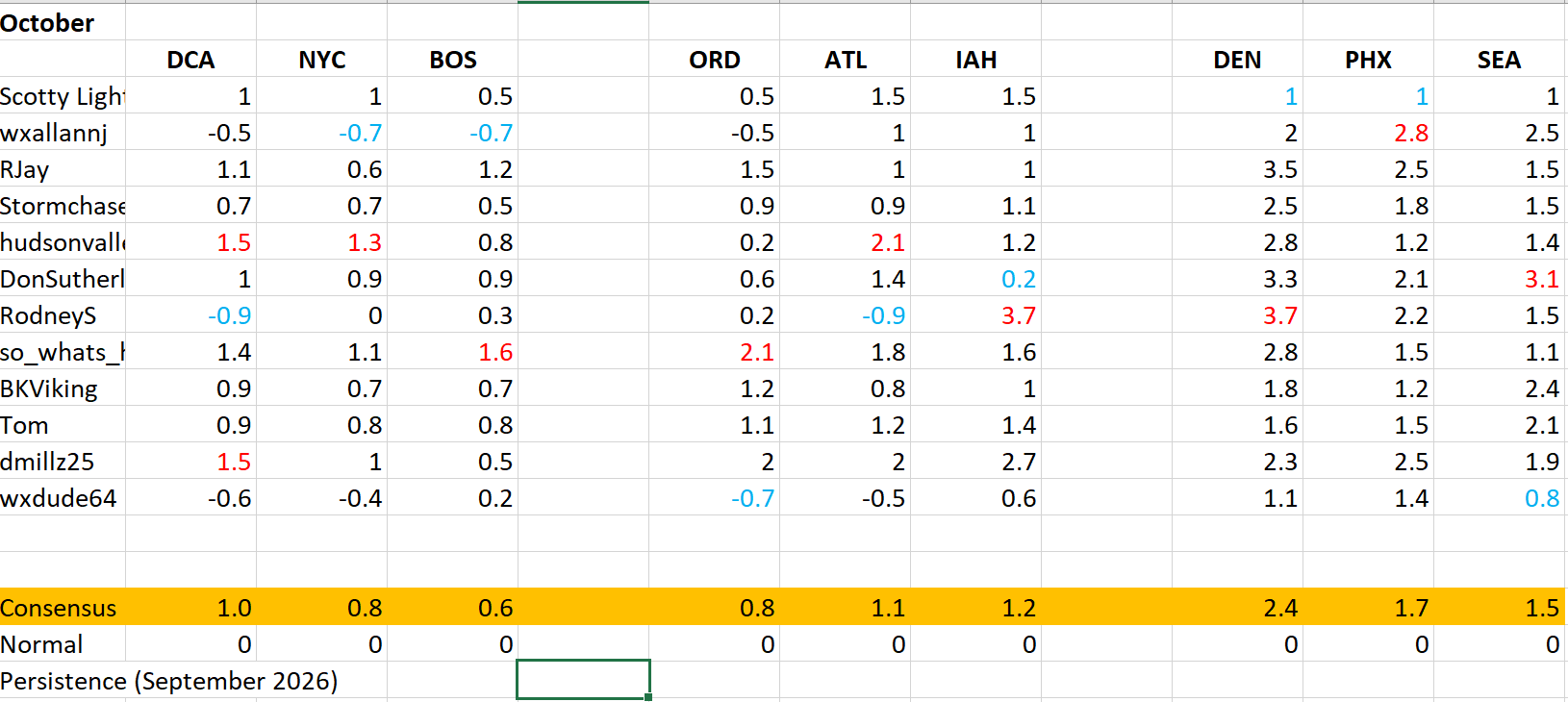
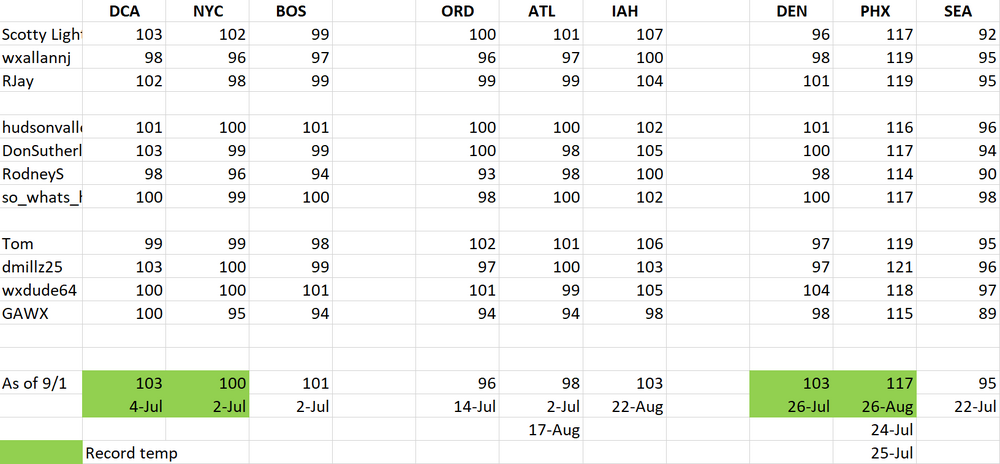
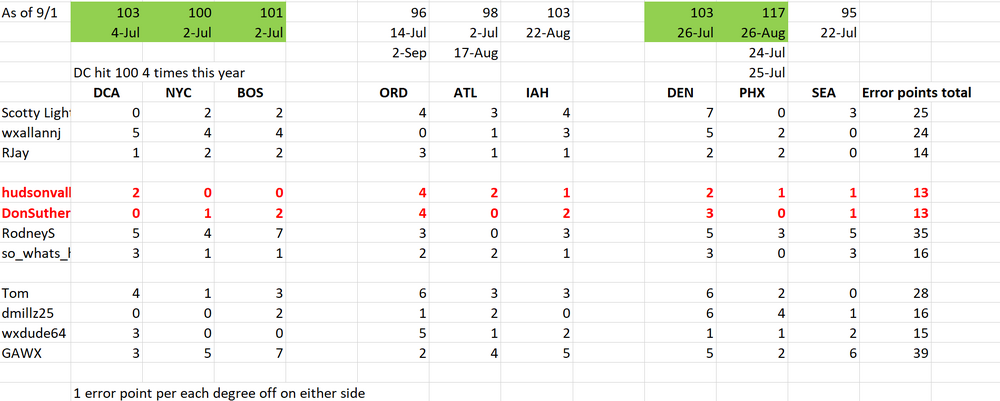
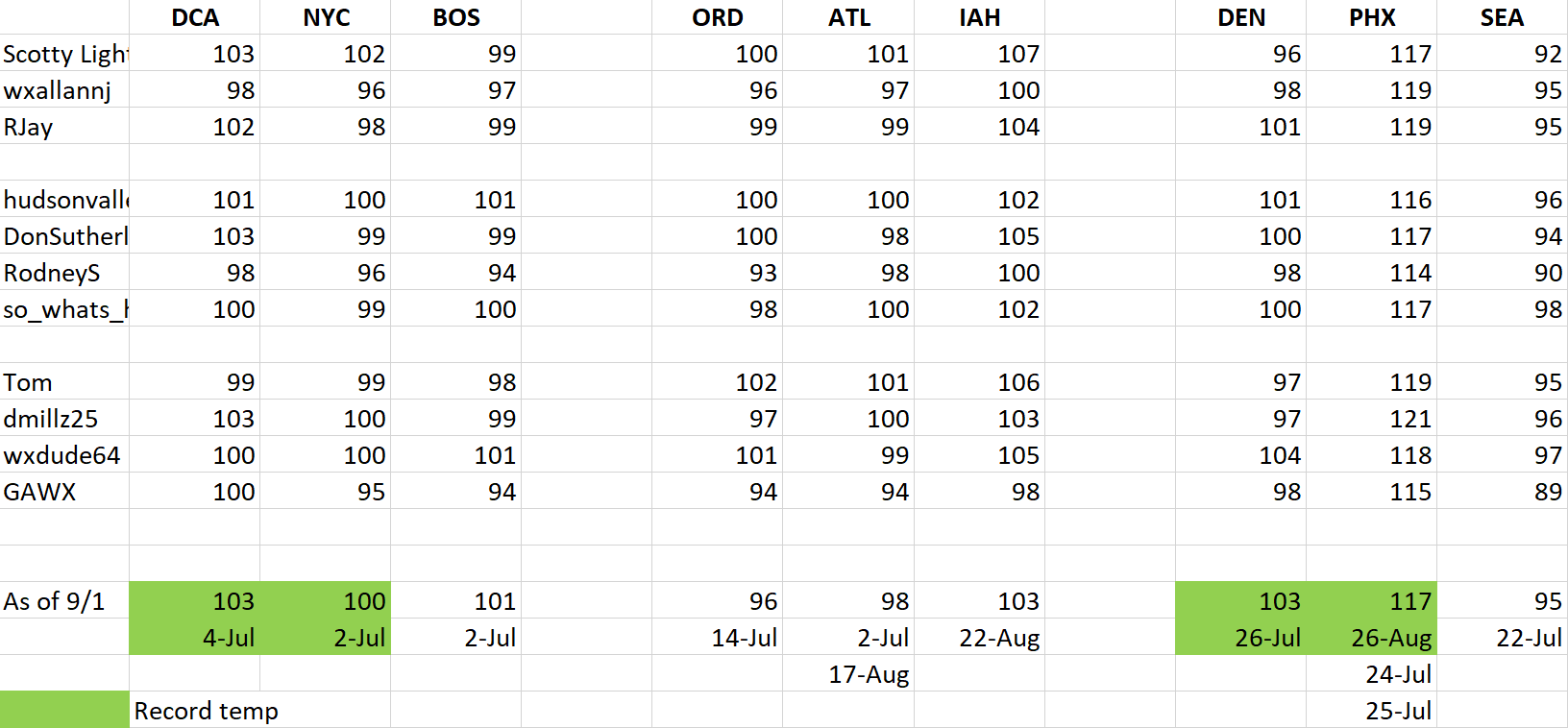
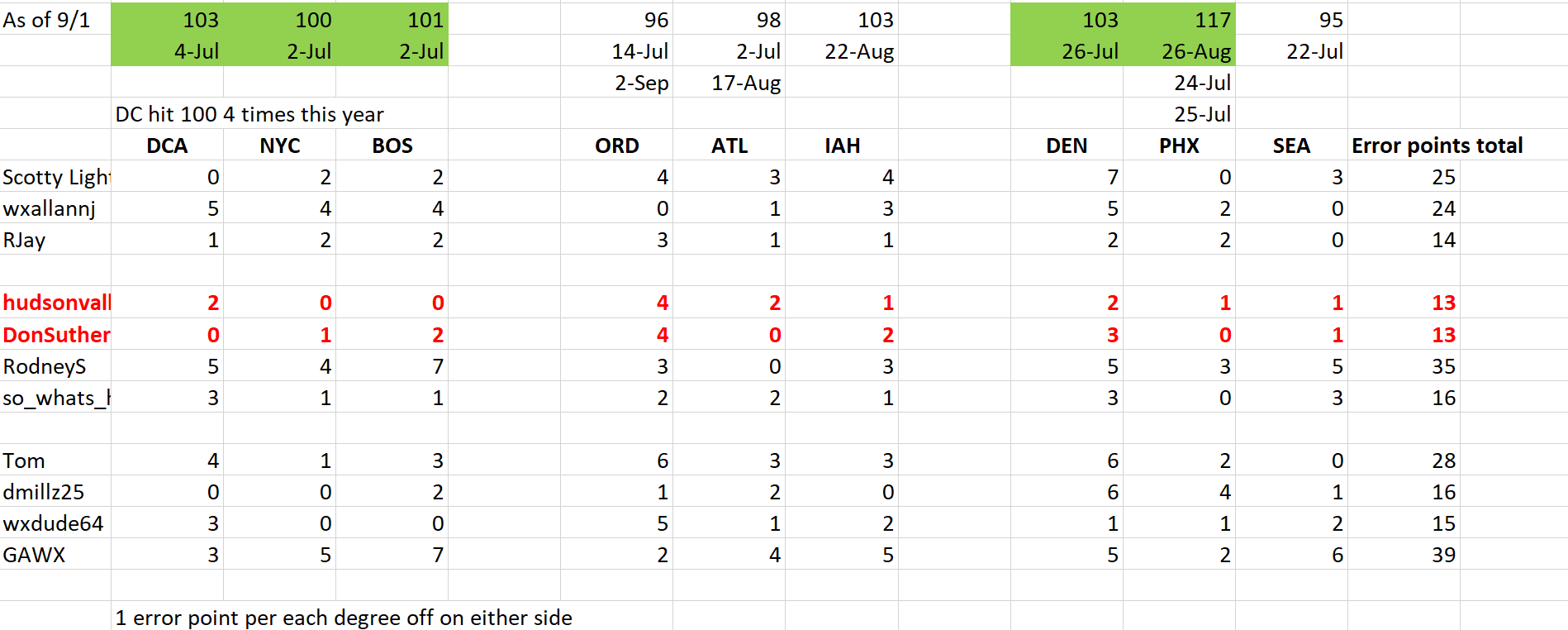
Just wanted to make a quick update while I have some free time. Here are the results of the Max Temp forecast for each station. Green highlights a daily record high. DC managed 4 100+ degree days this year. Congrats to both Hudsonvalley and Donsutherland for a tie this year with some close contenders. I'll post in about a week about November forecasts.
-
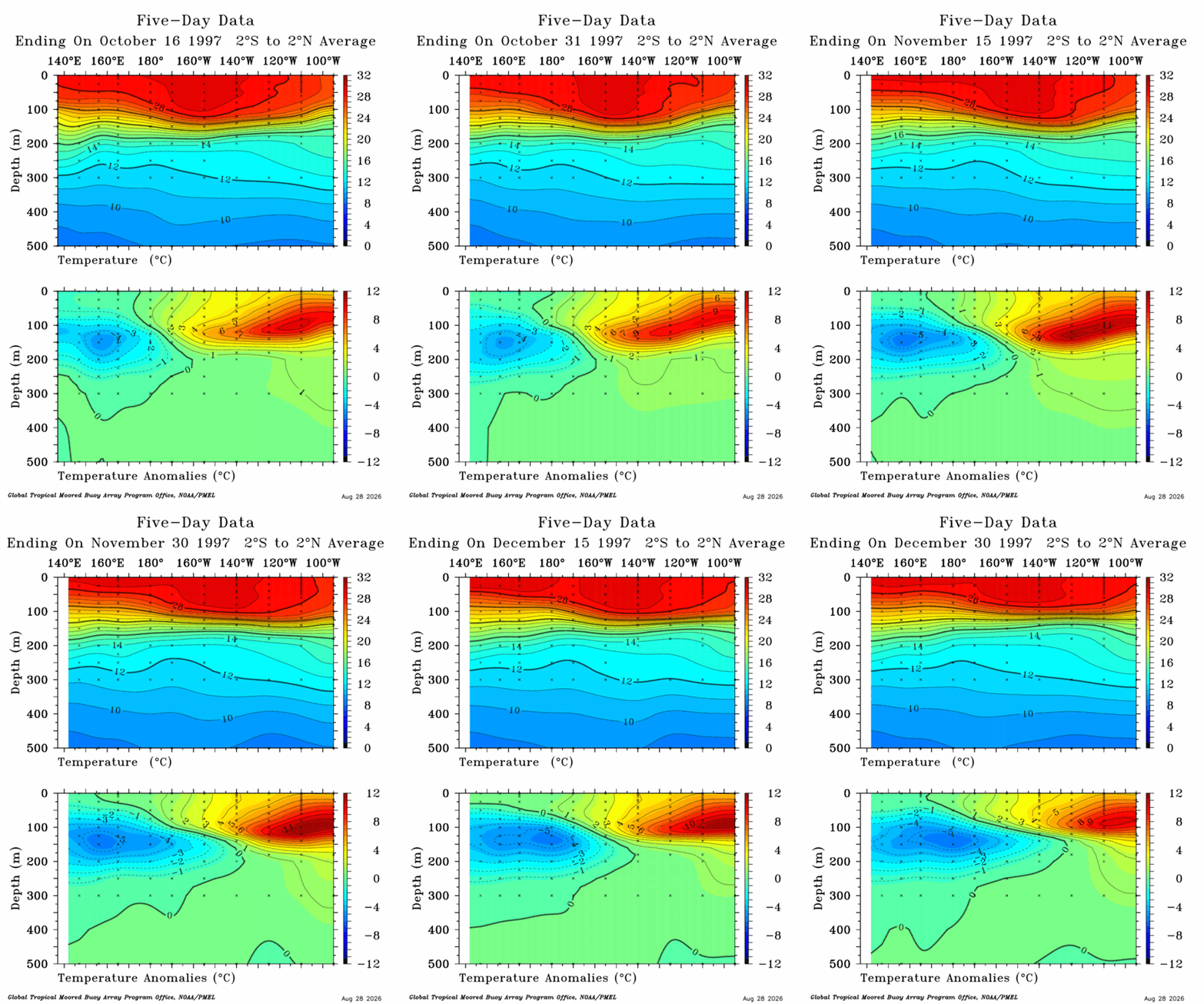
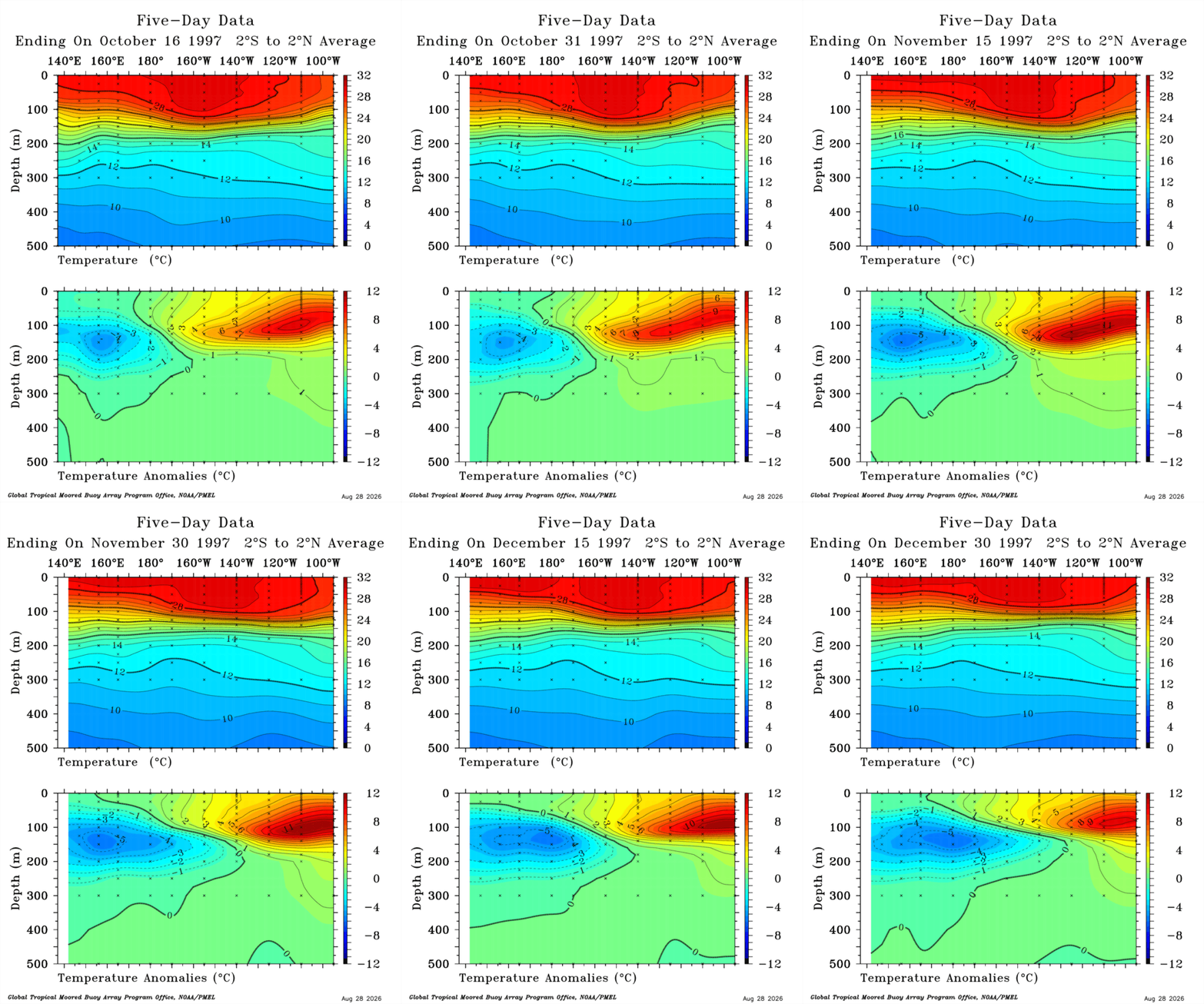
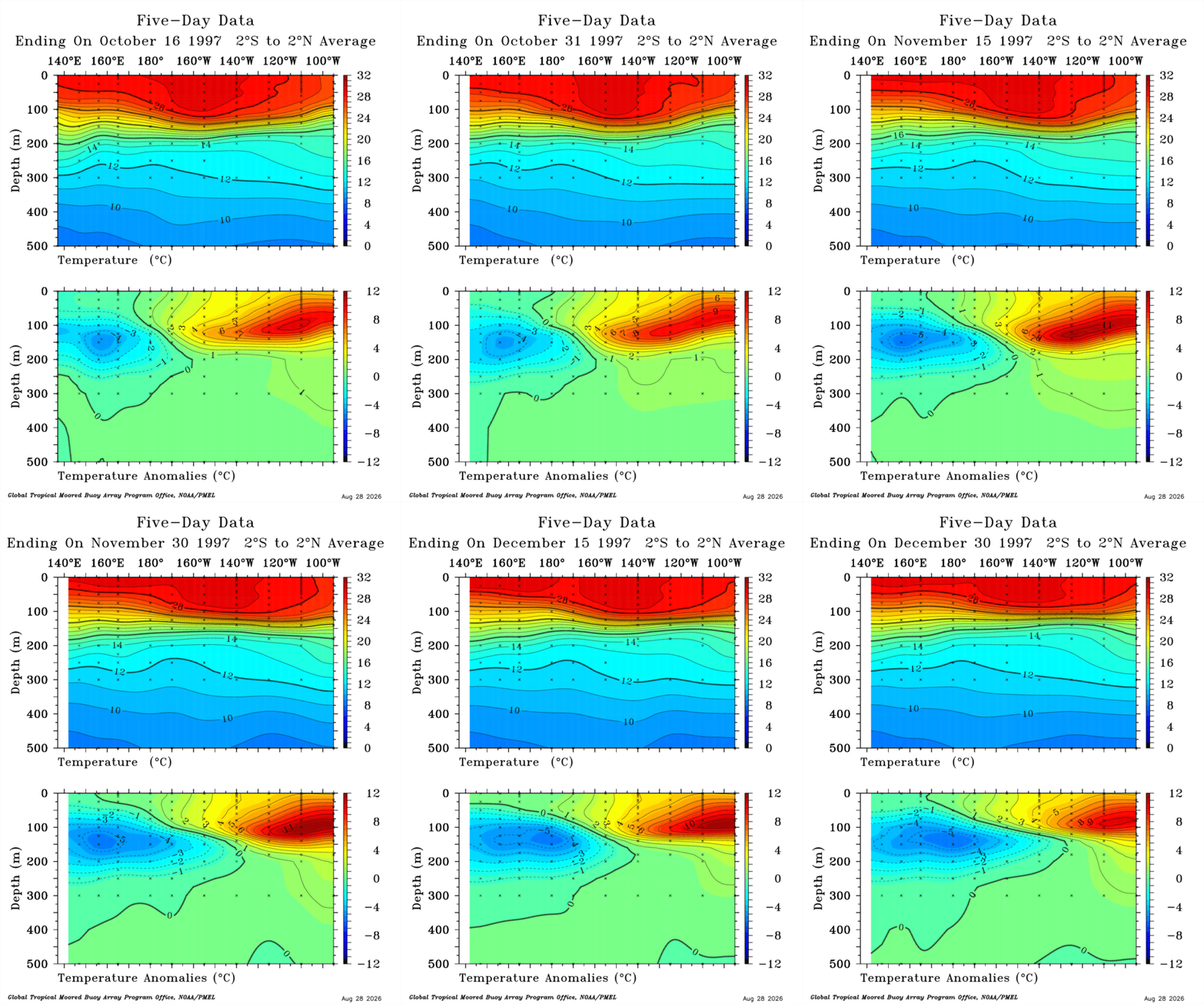
Here is roughly the last month and a half update. At this time of the +12c we were at Thanksgiving. Roughly about a month ahead of where we are in equivalency to 1997. We should know in the next 2 weeks how this works out but have this feeling we are done with significant warmings but rather how long this holds on compared to typical sst's which flatline now until about mid to late December.
.thumb.gif.5c84f54969408806c4da31c1058d14e0.gif)
-
I don't know why but something feels off about that. 80W would be right on the immediate coastline which would maybe make the most sense right at the absolute surface not subsurface of 50-100m. Also we have seen a +12c subsurface before the only thing that has changed between 1997 and now is the average. On scale this is pretty inline with 1997 as for absolutes it is a whole different story.
-
Cold pool near -3 and seems to be on the move recently.
.thumb.gif.d41aa178e16b5896ce675d353abc6444.gif)
-
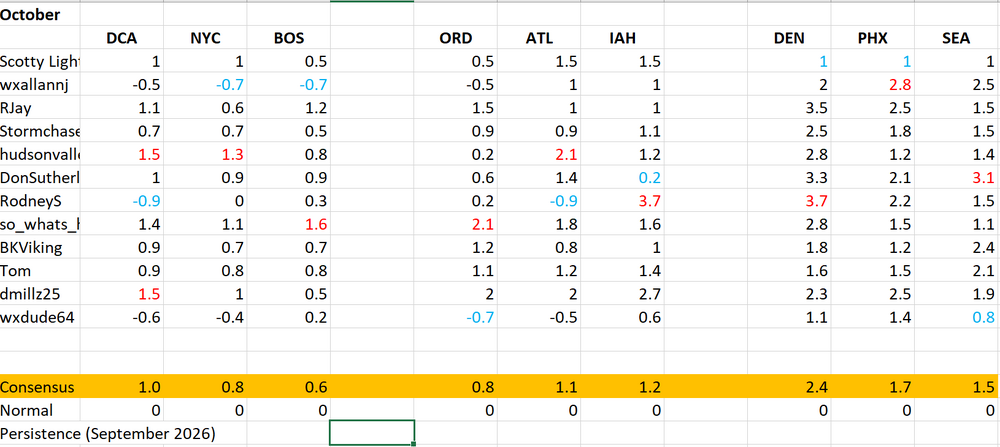
October Forecasts and September results posted further up.
-
DCA _ NYC _ BOS _ ORD _ ATL _ IAH _ DEN _ PHX _ SEA +1.4 +1.1 +1.6 +2.1 +1.8 +1.6 +2.8 +1.5 +1.1 Ill grade tomorrow evening when I'm back into work. Will also finish scoring for max temps looks like nothing has changed for many places.
-
@Stormchaserchuck1 @Rjay @dmillz25 @wxdude64 just a reminder
-
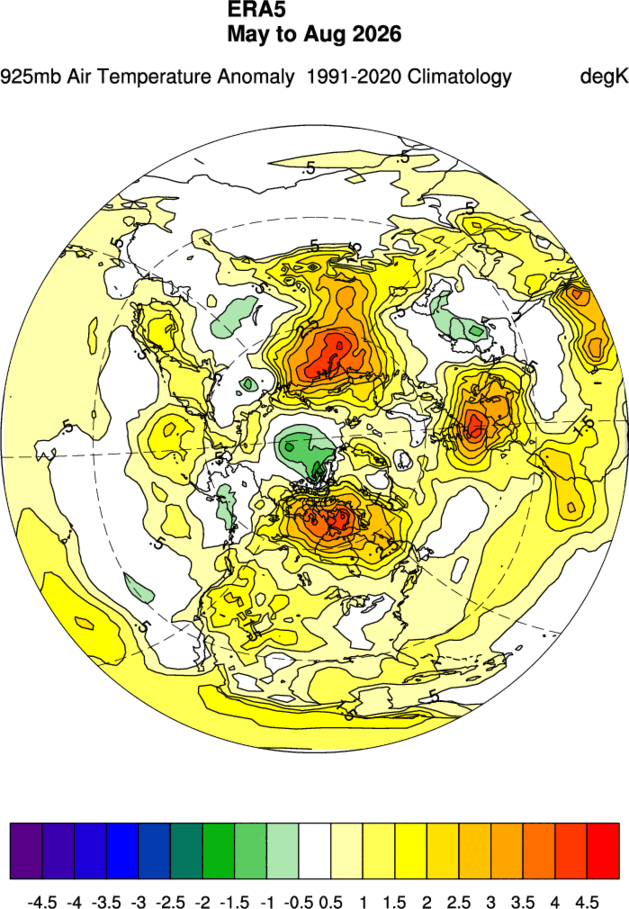
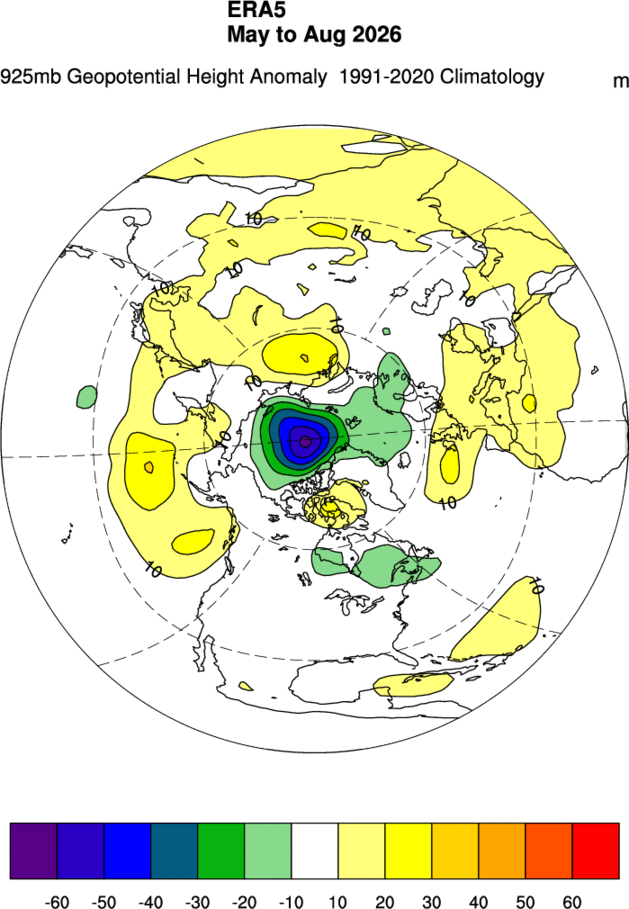
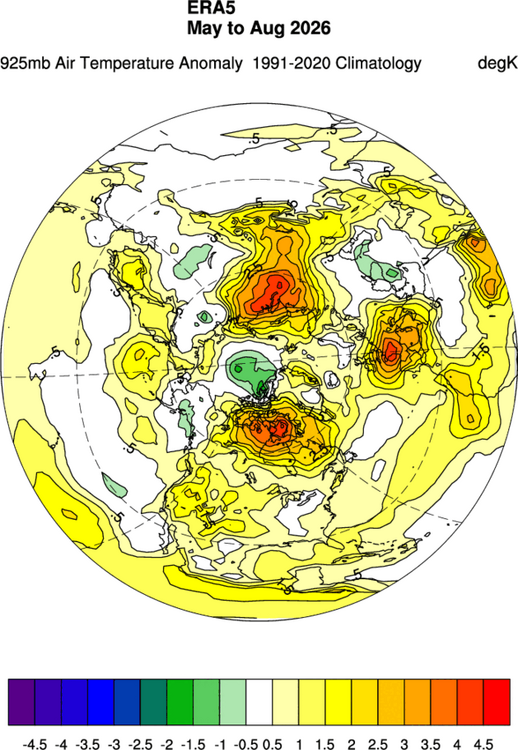
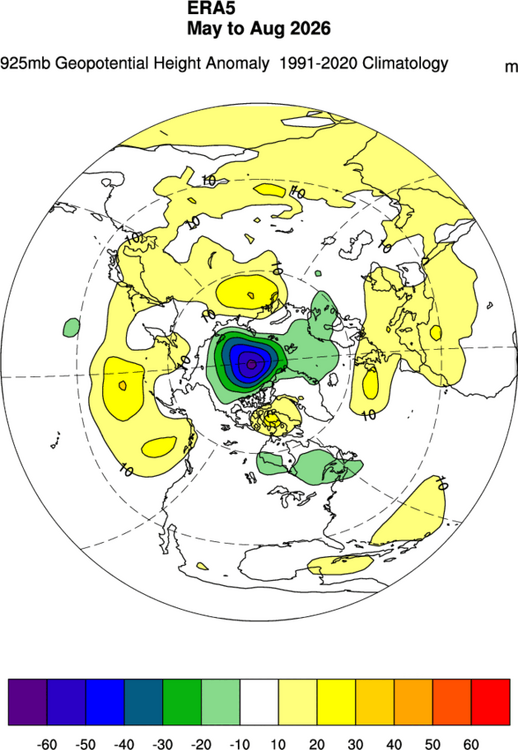
This was from the temp website https://ocean.dmi.dk/arctic/documentation/arctic_mean_temp_data_explanation_newest.pdf I use 925mb specifically to not get temperature but more so to see the pattern associated to this region in specific thus I will continue to use 925mb as a better representation of what is going on. This was a retention year in that the overall atmospheric pattern was on the colder side. Unfortunately I don't think we will get fairly accurate measurements of the lowest 1000' or so in this region due to the complex nature involved with sea ice/ oceanic exchange issues with the lower atmsophere. You will read this within the first paragraph as to the issues involved. Another factor is the slushification that is taking place throws another wrench into getting an accurate surface reading. 2006 and 2013 were also solid retention years. The time period of roughly mid April to end of June will continue to be an extremely important time to gauge how the melt season will go. There is a glaring difference when comparing ERA5 of 2013 to 2026 2m temps.
-
Yea 2m temps are tough over the arctic, typically you want to look at 925mb for temp anomalies to get better look at the overall. So average to below average for most of the time period over roughly 75N to the pole.
-
This is something you certainly do not see very often in this warmer world, especially in the confines of the Arctic. It was a solid retention year to say the least. Whether the temps are representative or not the overall pattern would suggest things didn't go haywire. It was a shame we started at such a low point from the previous winter which is weird coming out of La Nina to see such low volumes for sea ice. Will be interesting to see how this plays out going into winter.
-
It would be fascinating to see happen as it would be a very 1982-83 style end.

.gif.25c9e0b711f3751add03f3cb3ede26bf.gif)
.gif.19e72c553e851ec9519cbe5744adbfa2.gif)